
- How Breast Implants Can Affect Breastfeeding?
- Is It Safe to Breastfeed With Kirkland Breast Implants?
- What to Know If Planning Pregnancy or Breastfeeding After Implants
- Breast Changes After Pregnancy and Breastfeeding
- What to Expect During a Kirkland Breast Implant Consultation
- Why Choose Northwest Face & Body for Breast Implants in Kirkland?
- Ready to Discuss Breastfeeding Goals With a Kirkland Surgeon?
- Frequently Asked Questions
Yes, in most cases, women with breast implants may still be able to breastfeed. Women considering breast implants often have practical questions about the future. One of the most common is whether they can still breastfeed after surgery, and if implants will affect milk supply or feeding.
In most cases, women with Kirkland breast implants may still be able to breastfeed. The implants themselves do not typically block milk production or stop milk from flowing. That said, factors such as incision type, implant placement, and individual anatomy can influence how breastfeeding goes after surgery.
At Northwest Face & Body, breast augmentation in Kirkland is planned around each patient’s body and goals. Dr. Tarak H. Patel and Dr. Rajasekhar Nalluri are board-certified surgeons who take a personalized approach to treatment, using advanced techniques to support natural-looking, balanced results.
How Breast Implants Can Affect Breastfeeding?
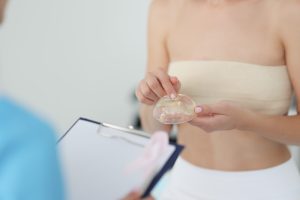
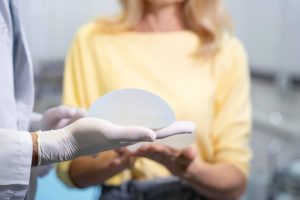
Breast implants sit either behind the breast tissue or beneath the chest muscle. Neither location directly damages the milk-producing glands or ducts that make breastfeeding possible. The implant is a separate object that sits in its own pocket, away from the structures responsible for milk production and delivery.
The real factor that matters more is the incision. During breast augmentation surgery, the surgeon needs to create an opening to place the implant. Where that incision is made can affect the nerves around the nipple and areola. These nerves are important because they send signals that trigger milk production and help with the letdown reflex, which is when milk flows during feeding.
Why Incision Location Matters
In breast implants in Kirkland, different incision locations carry different levels of risk when it comes to affecting breastfeeding. Some incisions are less likely to interfere with the nerves and tissue involved in milk production.
An inframammary incision is made in the crease under the breast. This location keeps the incision far away from the nipple and areola, which means the nerves in that area typically stay intact. Many surgeons prefer this approach for patients who plan to breastfeed in the future.
A transaxillary incision is made in the armpit. This location is even farther from the breast tissue and nipple, so it carries minimal risk of affecting breastfeeding ability. The downside is that this approach requires more surgical skill and may not work for all implant types.
A transumbilical incision, sometimes called TUBA, is made through the belly button. This is the farthest location from the breast, so breastfeeding is rarely affected. However, this approach only works with saline implants, not silicone.
A periareolar incision is made along the edge of the areola. This location is closer to the nerves and milk ducts, so it carries a higher chance of affecting nipple sensation or milk production. Some women with this incision type experience no problems at all, while others may notice changes in sensation or milk supply.
At Northwest Face & Body in Kirkland, incision options are reviewed in detail during the consultation, so patients can understand how each approach may relate to their breastfeeding goals and choose a plan that fits their priorities.
Must read: When Should You Replace Breast Implants? A Surgeon’s Honest Answer
Is It Safe to Breastfeed With Kirkland Breast Implants?
Safety is a legitimate concern for any mother. The question many women ask is whether silicone or saline from implants can leak into breast milk and harm a baby.
According to the CDC, there have been no recent clinical reports of problems in babies born to mothers with silicone implants CDC Breast Implant Safety. Research has not found evidence that silicone implants increase the risk of birth defects or developmental problems in children.
Silicon, a component of silicone implants, is naturally found in many foods and in the environment. Breast milk from mothers with implants has not been shown to contain higher levels of silicon than breast milk from mothers without implants.
Every surgery carries some risk, and individual circumstances vary. However, the available evidence suggests that breastfeeding with breast implants is generally considered safe by major health organizations.
What to Know If Planning Pregnancy or Breastfeeding After Implants
Understanding these factors in Kirkland breast augmentation helps women prepare and set realistic expectations.
The placement of the implant matters. Submuscular placement, where the implant sits mostly under the chest muscle, tends to have less impact on breastfeeding than subglandular placement, where the implant sits directly behind the breast tissue. Subfascial and dual plane placements fall somewhere in between. During a consultation, surgeons can explain how different placements might affect breastfeeding ability.
The amount of natural breast tissue someone has before surgery also plays a role. Women with more existing glandular tissue may have an easier time breastfeeding after implants than women with less natural tissue. This is because there is more milk-producing capacity to begin with.
Individual nerve sensitivity and healing vary from person to person. Some women experience no change in nipple sensation after surgery, while others notice temporary or permanent changes. These changes can affect breastfeeding, though many women adapt and breastfeed successfully regardless.
During pregnancy, breast tissue swells, milk ducts expand, and the overall shape and size of the breasts change. These natural changes occur as the body prepares to produce milk. After breastfeeding ends, the breasts typically shrink back down, though they may not return to their exact pre-pregnancy appearance.
Breast Changes After Pregnancy and Breastfeeding
This is an important point that applies to all women, not just those with implants. Breast changes after pregnancy include shape and size. The breasts may feel fuller during pregnancy and nursing, then softer and smaller afterward. Some women describe their breasts as looking deflated or less perky after breastfeeding ends.
Breast shape/size changes after breastfeeding occur because the milk glands and ducts expand during pregnancy and contract when breastfeeding stops. The skin that stretched to accommodate the larger breasts may not tighten back up completely, especially if the breasts were very full during nursing.
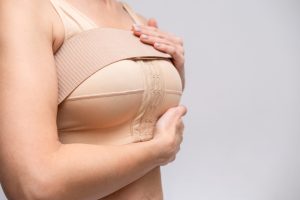
Breastfeeding itself does not damage implants or cause them to rupture. The implants sit in their own pocket and are not affected by milk production or nursing. However, the breast tissue surrounding the implants does change during and after pregnancy. This means the overall appearance and feel of the breasts may shift over time, which is a normal part of how bodies change.
Women who have implants and then become pregnant should discuss these potential changes with their surgeon beforehand. Understanding what to expect helps with realistic planning.
If you want to learn more about the breast implant recovery timeline and what to expect during healing, you can read the full blog here.
What to Expect During a Kirkland Breast Implant Consultation
A good consultation sets the foundation for a surgical plan that works with future breastfeeding goals, not against them.
The first step is sharing plans openly. If someone thinks they might want to have children or breastfeed in the future, saying so during the consultation matters. This information helps the surgeon make choices about implant type, placement, and incision location that support those goals.
Next comes an anatomy evaluation. The surgeon examines the existing breast tissue, skin quality, chest wall shape, and overall proportions. This evaluation helps determine what implant size and type will look most natural and balanced on that specific body.
Then the surgeon discusses placement and incision options. Different combinations work better for different people. Someone planning to breastfeed might benefit from an inframammary incision with submuscular placement, for example. Someone else might have anatomy that works better with a different approach. The surgeon explains the pros and cons of each option.
Based on all this information, a personalized surgical plan can be developed. Breast augmentation in Kirkland plan reflects not just what the patient wants to look like, but also their lifestyle, health, and future plans. It is a collaborative process, not a one-size-fits-all approach.
After surgery, follow-up care continues the relationship. Patients can ask questions during recovery, and the surgical team monitors healing to make sure everything is progressing well.
Why Choose Northwest Face & Body for Breast Implants in Kirkland?
Choosing the right surgeons for Kirkland breast implants can shape the entire experience, from the first consultation to recovery and final results. It is not just about the procedure itself, but about feeling supported and informed throughout the process.
At Northwest Face & Body, patients receive care centered on their individual goals, with surgical planning tailored to their bodies, lifestyles, and desired outcomes. Follow-up care is also conveniently available in Kirkland and the greater Seattle area, helping patients feel supported even after surgery.
Dr. Tarak H. Patel
Dr. Tarak H. Patel is a double board-certified plastic and reconstructive surgeon with training in both general and plastic surgery. He focuses on creating natural-looking results while prioritizing patient safety at every stage of care.
Dr. Rajasekhar Nalluri
Dr. Rajasekhar Nalluri is board-certified by the American Board of Plastic Surgery and brings over 23 years of experience. With more than 25,000 procedures performed, he is known for precision, consistency, and outcomes that remain balanced over time.
Serving Kirkland and the Greater Eastside
Northwest Face & Body is located at Carillon Point in Kirkland, which is easily accessible from downtown Kirkland, Juanita, Totem Lake, Redmond, Bellevue, and surrounding areas. The practice has deep roots in this community and understands the needs of local patients.
Get Your Free Personalized Consultation With Us.
Ready to Discuss Breastfeeding Goals With a Kirkland Surgeon?
Most women with Kirkland breast implants are able to breastfeed, and the choices made during surgery can support that goal. Incision type, implant placement, and individual anatomy all play a role in how breastfeeding works after augmentation.
The best way to understand how breast implants might affect personal breastfeeding plans is to talk with an experienced surgeon who listens and takes those goals seriously. Dr. Allegra and Dr. Patel at Northwest Face & Body in Kirkland can evaluate individual circumstances and recommend a surgical approach that aligns with future family plans.
Contact us, schedule a free consultation, or visit nwface.com to learn more about breast implants in Kirkland.
Frequently Asked Questions
1. Can all women with breast implants breastfeed?
Most women with breast implants are able to breastfeed. Some women experience no change in their ability to breastfeed, while others may notice changes in milk supply or nipple sensation depending on how the surgery was performed.
2. Does the type of incision affect breastfeeding ability?
Yes, incision type can make a difference. Incisions that avoid the areola, such as inframammary (under the breast), transaxillary (in the armpit), or transumbilical (through the belly button) incisions, are generally associated with less impact on the nerves and tissue involved in breastfeeding. Periareolar incisions, made along the edge of the areola, carry a higher chance of affecting nipple sensation or milk production.
3. Will breastfeeding damage my breast implants?
Breastfeeding does not damage or rupture breast implants. The implants sit in their own pocket and are not affected by milk production or nursing. However, the breast tissue surrounding the implants may change during and after pregnancy, which can affect the overall appearance and feel of the breasts over time.
4. Is silicone from implants found in breast milk?
Research has not found higher levels of silicon in the breast milk of mothers with silicone implants compared to mothers without implants. The CDC and FDA have reviewed available evidence and have not identified safety concerns related to silicone implants and breastfeeding.
5. Will my milk supply be affected by breast implants?
Milk supply can vary by individual. Some women experience no change in milk supply after breast augmentation, while others may notice a difference depending on implant placement and incision type. Discussing breastfeeding goals with a surgeon before surgery helps ensure the surgical plan supports milk production.
6. Should I tell my surgeon if I plan to breastfeed in the future?
Absolutely. Sharing future breastfeeding goals during a Kirkland breast augmentation consultation helps the surgeon choose the most suitable implant placement and incision approach. This information allows for a surgical plan that supports both aesthetic goals and breastfeeding plans.
7. Can I get breast implants before having children?
Many women choose to have breast augmentation before having children. Surgeons can discuss how pregnancy and breastfeeding may affect implant appearance and positioning over time, so patients understand what to expect.
8. Do breast implants affect mammograms later in life?
Breast implants can affect how mammograms are performed and interpreted. This is a separate consideration from breastfeeding and should be discussed with both a surgeon and a primary care provider. Special imaging techniques may be needed to properly visualize breast tissue when implants are present.