
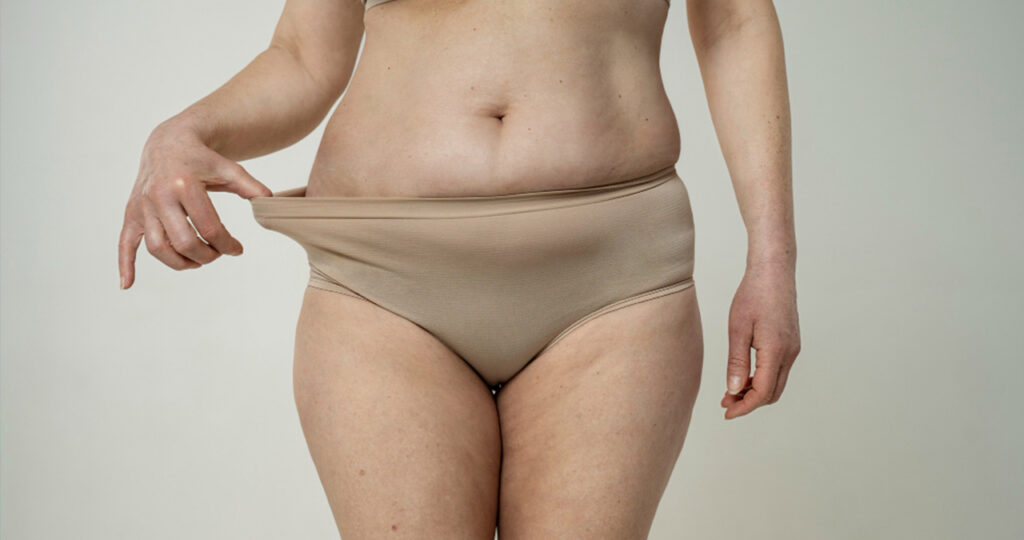
- What Does Ideal Weight Mean for a Mommy Makeover?
- Why Does Your Weight Matter for a Mommy Makeover?
- Understanding BMI and Its Limits
- How Close Should You Be to Your Ideal Weight?
- Why Weight Stability Is More Important Than Weight Loss
- Should You Lose Weight Before a Mommy Makeover?
- What Happens If You’re Over Your Ideal Weight?
- Can You Be Too Thin for a Mommy Makeover?
- How Weight Affects Specific Procedures
- How to Maintain Your Results After Surgery
- FAQs
Many women think about a mommy makeover after pregnancy, childbirth, or weight changes. It is a big decision that often brings up a lot of questions. One of the most common ones we hear from patients is: “Do I need to be at a certain weight before having a mommy makeover?”
The short answer is, there is no single “perfect” weight for everyone. In this guide, we’ll explain what surgeons typically look for in terms of weight and what happens if your weight changes before or after surgery.
What Does Ideal Weight Mean for a Mommy Makeover?
When surgeons talk about ideal weight, they are not referring to a number you see on a chart or scale. They are talking about a healthy, stable weight that you can maintain over time. It is usually:
- A weight you feel comfortable with
- A weight you can maintain without extreme dieting
- A weight that has stayed steady for a few months
Being close to this weight helps your surgeon plan your procedure more accurately.
Why Does Your Weight Matter for a Mommy Makeover?
A mommy makeover often includes body contouring procedures such as a tummy tuck, liposuction, and breast surgery. These surgeries are meant to reshape the body, not cause major weight loss. That is why your weight matters.
- Safety: Higher weight (especially high BMI) may increase the risk of surgical complications like wound healing problems or infections. Overall health plays a big role in surgical safety, not just age or fitness level.
- Contours and symmetry: If you lose significant weight after surgery, it can affect the appearance of the results. For example, your skin may sag again.
- Procedure strategy: Being close to your goal weight lets your surgeon plan the contouring more accurately, without trying to compensate for large excess fat that may return or shift later.
Additional Reads: How Much Weight Is Typically Lost With A Mommy Makeover?
Understanding BMI and Its Limits
Your Body Mass Index (BMI) is a simple way to estimate body fat based on height and weight. While it’s a useful starting point, it’s not the only thing that matters. For example, people with higher muscle mass may have a higher BMI but still be healthy.
Plastic surgeons often use BMI as one of the tools to decide whether a mommy makeover is safe:
- Preferred BMI: Under 30
- Some patients with slightly higher BMI may still qualify, depending on health
But it’s important to keep in mind that BMI alone doesn’t show the whole picture. Surgeons also look at overall health, fat distribution, and lifestyle, not just a number.
How Close Should You Be to Your Ideal Weight?
Surgeons commonly recommend that patients be:
- Within 10–15 pounds of their maintainable goal weight
- At a stable weight (no major ups and downs for several months)
This does not mean you need to be perfect. It means your body is no longer changing quickly.
Why Weight Stability Is More Important Than Weight Loss
Many people focus only on losing weight. But staying at the same weight is just as important. Surgeons often recommend that your weight be stable for:
- 3 to 6 months before surgery
This helps ensure:
- Your body has adjusted
- Your nutrition is steady
- Healing will be smoother
Rapid weight loss right before surgery can weaken your body and slow recovery.
Should You Lose Weight Before a Mommy Makeover?
In many cases, yes. If you still have a significant amount of weight you want to lose, it is usually better to lose the weight first, maintain it, and then have surgery. Liposuction is not a weight-loss tool. It removes small pockets of fat, not large amounts of weight.
What Happens If You’re Over Your Ideal Weight?
Being slightly above your ideal weight does not always mean you cannot have a mommy makeover. Your surgeon may:
- Suggest losing some weight first
- Delay surgery until your weight is closer to stable
- Adjust the surgical plan
If your weight is much higher, surgery may be postponed for safety reasons.
Can You Be Too Thin for a Mommy Makeover?
Yes, it is possible. If you are very underweight or have lost weight too quickly:
- Your body may not heal as well
- You may not have enough tissue for certain procedures
Your surgeon will check your nutrition and overall health before recommending surgery.
How Weight Affects Specific Procedures
Here’s how weight can affect each mommy makeover procedure:
- Tummy tuck: Being at a stable, healthier weight helps the surgeon remove excess skin more precisely and create a smoother, tighter abdominal contour.
- Liposuction: Liposuction works best on small, stubborn fat areas after most weight loss has already occurred, not as a weight-loss method itself.
- Breast procedures: Weight changes can affect breast size and shape, so maintaining a stable weight helps produce more predictable and lasting results.
How to Maintain Your Results After Surgery
After a mommy makeover, keeping your weight steady helps protect your results. To maintain your results, your surgeon may ask you to:
- Follow a healthy, balanced diet
- Stay active with regular exercise
- Maintain weight within your comfortable range
- Attend follow-up appointments as recommended
Small weight gains or losses are normal, but large changes can affect how your body holds its new shape.
At Northwest Face & Body, our surgeons will provide you with guidance to help you maintain your results after mommy makeover in Kirkland. Call us at (425) 671-1758 to explore our procedures or learn more.
FAQs
What if I lose more weight after surgery?
Significant weight loss after a mommy makeover can loosen skin and alter contours, possibly affecting results.
Can I still have a mommy makeover if I’m slightly overweight?
Yes. In many cases, surgeons tailor a plan considering your weight and goals, but losing weight prior to surgery often improves outcomes.
How long should my weight be stable before surgery?
Most surgeons recommend that your weight stay stable for at least three to six months before planning surgery.