Breast implant recovery is one of the first things patients want to understand before surgery. It is normal to ask how long swelling lasts, when soreness improves, and when daily routines can resume. In most cases, recovery happens in clear stages. The first several days are focused on rest and healing. The following weeks are about protecting the surgical result, managing swelling, and gradually returning to normal activity. For anyone researching Breast Implant in Kirkland, having a realistic recovery timeline can make the process feel far less stressful. At Northwest Face & Body, patients can choose from saline, silicone, and gummy bear implants by Mentor®, with surgery planned around each patient’s anatomy and goals. Dr. Tarak Patel, a double board-certified plastic and general surgeon, and Dr. Rajasekhar Nalluri, a board-certified plastic surgeon with more than 23 years of experience and over 20,000 procedures performed, bring strong surgical expertise and credibility to breast augmentation care.
What Is Breast Implant Recovery Like?
Recovery after breast augmentation is different for every patient, but some patterns are common. Most patients notice tightness, swelling, pressure, and soreness early on. The chest may feel firm at first, especially when implants are placed under the muscle. The breasts can also sit higher on the chest in the beginning before they gradually settle into a softer, more natural position. These early changes are usually part of the normal healing process rather than a sign that something is wrong.
Patients looking for Breast Implant kirkland or kirkland breast implant options should also know that recovery is not only about pain. It is also about patience. The final shape does not appear immediately after surgery. Swelling must go down, tissues need time to relax, and the implants need time to settle. That is why good recovery planning is just as important as the procedure itself.
Breast Implant Recovery Timeline
The First 24 to 72 Hours
The first few days are usually the most uncomfortable. Patients often feel chest pressure, soreness, fatigue, and tightness. Swelling tends to be strongest during this early phase. Rest, hydration, prescribed medications, and short walks around the home are usually the main priorities. Heavy lifting and unnecessary arm strain should be avoided.
Week 1
By the end of the first week, many patients start to feel better, even though swelling and tightness are still common. Light walking is usually encouraged, but strenuous activity is still restricted. Many patients begin returning to lighter routines around this point, depending on their job and how they are healing. Northwest Face & Body notes that the earliest recovery period is often about one week, although full healing takes longer.
Weeks 2 to 3
This phase often brings steady improvement. Bruising usually starts to fade, soreness becomes easier to manage, and day-to-day movement feels more comfortable. Even so, the breasts may still look high, feel firm, or appear slightly uneven. That can be normal during healing. Patients still need to follow activity restrictions carefully because tissues are not fully healed yet.
Weeks 4 to 6
Many patients feel significantly better during this stage. Swelling usually continues to improve, and the implants often begin to settle more naturally. According to the American Society of Plastic Surgeons, many patients are still in the recovery window for four to six weeks, especially when it comes to exercise and heavier activity. This is why surgeon instructions remain important even when a patient starts feeling more normal.
After 6 Weeks
After the first month and a half, most of the early healing has passed, but subtle changes can continue for several months. The breasts may continue to soften, swelling may continue to improve, and scars will keep maturing over time. Patients should not judge the final result too early. The body often needs more time than expected to fully settle after implant surgery.
What to Expect During the Healing Process
Breast augmentation recovery usually includes more than soreness alone. Swelling, temporary firmness, mild asymmetry during healing, and changes in nipple sensation can all happen. These concerns often improve as healing continues. Implant type, implant size, incision placement, and whether implants are placed over or under the muscle can all affect how recovery feels.
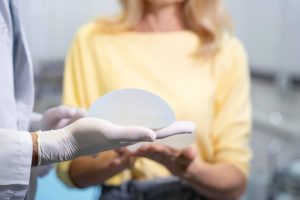
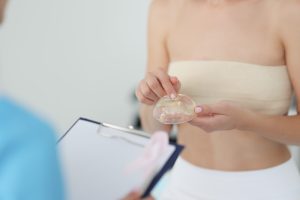
At Northwest Face & Body, patients can review implant options including saline, silicone, and gummy bear implants, as well as discuss projection and overall goals during consultation. That kind of planning matters because a more personalized surgical plan often leads to a smoother recovery experience and more realistic expectations from the start.
Tips for a Smoother Recovery
A smoother recovery often comes down to following instructions closely and avoiding the urge to do too much too soon. A few simple habits can make a real difference.
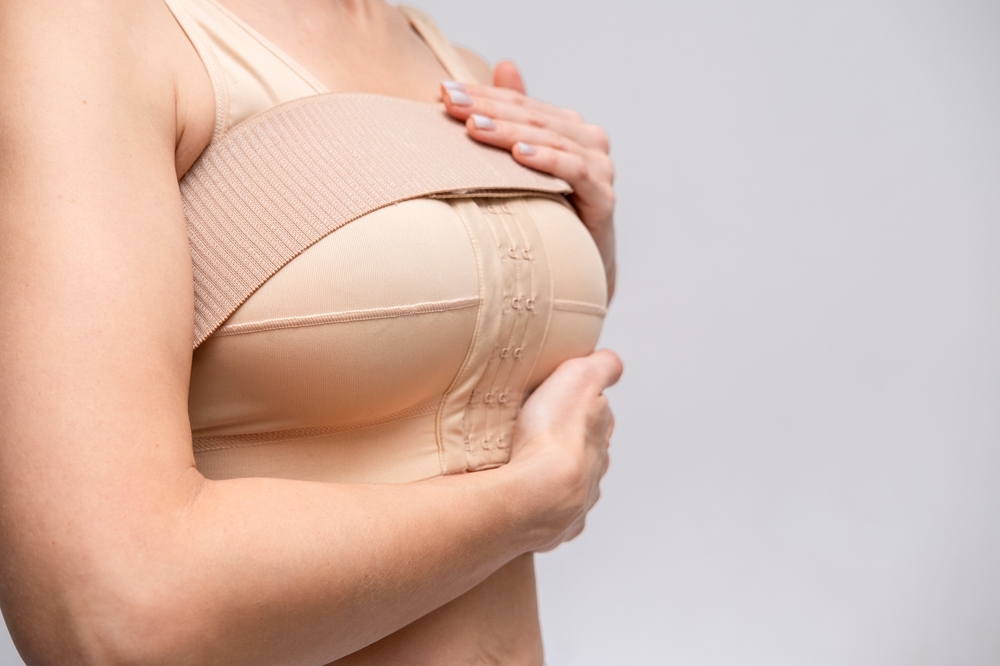
Wear the recommended support bra or garment as instructed. Proper support can help protect the breasts during the early healing period. Sleep on the back with the upper body slightly elevated if the surgeon recommends it. This can help reduce pressure and swelling. Stay hydrated, eat balanced meals, and keep follow-up appointments so the surgeon can monitor implant position, incision healing, and swelling.
Another important recovery tip is to avoid rushing back into exercise. The American Society of Plastic Surgeons notes that full recovery commonly takes several weeks, and heavier activity too early can increase discomfort and swelling. Patients usually do best when they return to physical activity gradually and only after medical clearance.
When to Call the Surgeon
Some discomfort, swelling, and tightness are expected after breast augmentation. However, patients should contact their surgeon if they develop severe pain, sudden swelling on one side, fever, unusual drainage, increasing redness, or symptoms that seem to be getting worse instead of better. Breast augmentation also carries known risks, including infection, bleeding, implant rupture, capsular contracture, changes in sensation, implant malposition, and the possibility of revision surgery in the future. Recognizing the difference between normal healing and a possible complication is an important part of safe recovery.
Why Surgeon Experience Matters
Recovery advice is only as useful as the surgical planning behind it. Choosing an experienced surgeon matters because technique, implant selection, and careful consultation all influence the healing process. Northwest Face & Body describes Dr. Patel as a surgeon known for a meticulous technique and a patient-first consultation style. The practice also highlights Dr. Nalluri’s more than 23 years of experience and over 20,000 procedures performed. Those details matter for patients who want strong EEAT signals when evaluating a provider for Breast Implant in Kirkland.
Final Thoughts
Breast implant recovery takes time, but it usually becomes easier when patients know what to expect at each stage. The first week often centers on rest and swelling control. The next few weeks focus on healing, gradual return to activity, and watching the implants settle. Over the next several months, the final result continues to refine. For patients considering Breast Implant kirkland, the best next step is to schedule a consultation with Northwest Face & Body to discuss implant options, recovery expectations, and a treatment plan built around long-term results. To learn more, visit the breast augmentation page and schedule a consultation with Dr. Patel and Dr. Rajasekhar Nalluri.