- What is a Breast Fat Transfer Procedure?
- Key Benefits of Fat Transfer to Breasts in Kirkland
- How Much Does a Fat Transfer to the Breast Cost?
- What to Expect Before and After Fat Transfer to Breasts in Bellevue?
- Is Fat Transfer to Breast Right for Certain Patients?
- Why Choose Northwest Face & Body for Fat Transfer Breast Augmentation?
- Conclusion
- Frequently Asked Questions
Key points:
- Breast fat transfer combines liposuction and fat grafting, allowing patients to enhance breast volume while contouring another area of the body.
- Transferred fat may provide a soft, natural-looking enhancement without the need for synthetic breast implants or implant-related complications.
- Patients need sufficient donor fat and realistic expectations, as breast fat transfer generally provides a more modest increase in volume.
- Some transferred fat may be naturally reabsorbed, making the final breast shape and size clearer after the body completes the healing process.
- Maintaining a stable weight and following post-operative instructions may help support long-term results after breast fat transfer surgery
Choosing breast enhancement is an exciting decision, but it is natural to have questions before moving forward. How does fat transfer work? What kind of results can you expect? Is it the right option for your body and goals? Understanding the answers can help you make a confident, informed decision.
Whether you are considering Fat Transfer to Breasts in Kirkland , learning about the procedure, recovery, and expected outcomes is an important part of your planning. Knowing what to expect before surgery helps you set realistic expectations and prepare for every stage of your treatment.
At Northwest Face & Body, every breast fat transfer procedure is tailored to the patient’s anatomy, available donor fat, and aesthetic goals. Breast procedures are performed by Dr. Tarak H. Patel and Dr. Rajasekhar Nalluri, both board-certified plastic surgeons with more than 23 years of plastic surgery experience. Together, they provide personalized care with a focus on natural-looking results and patient safety.
What is a Breast Fat Transfer Procedure?
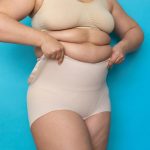
A breast fat transfer, sometimes called autologous fat grafting, involves two main steps. First, a plastic surgeon removes excess fat from areas like the abdomen, thighs, flanks, or hips using liposuction. Once collected, the fat goes through a purification process to separate healthy fat cells from damaged tissue and fluids.
The second step involves carefully injecting the purified fat into the breasts. Surgeons place the fat in small amounts across multiple layers of breast tissue. This technique helps maximize the survival rate of the transferred fat cells and creates a smooth, natural appearance.
The ideal candidates for this breast procedure may include individuals who want a modest increase in breast size, have enough donor fat available for harvesting, and prefer to avoid synthetic implants. A board-certified plastic surgeon can evaluate body composition and aesthetic goals during a consultation to determine if this approach makes sense.
Key Benefits of Fat Transfer to Breasts in Kirkland
- Natural-looking enhancement: Since your own fat is used, the breasts generally look and feel soft and natural.
- Adds shape while reducing unwanted fat: Fat is taken from areas such as the abdomen, thighs, or flanks, allowing patients to enjoy body contouring along with fuller breasts.
- Long-lasting results: The fat cells that successfully establish a blood supply can remain for years. Keeping your weight stable helps maintain the outcome.
- No breast implants: Fat transfer to breasts in Kirkland is an excellent option for patients who want a modest increase in breast volume without implants.
- Minimal scarring: Only small incisions are needed for liposuction and fat injection, so visible scarring is usually limited.
- High patient satisfaction: Modern fat grafting techniques continue to improve, and many patients report being pleased with their natural-looking results after recovery.
How Much Does a Fat Transfer to the Breast Cost?
The cost of a fat transfer to the breast depends on several factors. Geographic location, surgeon experience, facility fees, anesthesia costs, and the complexity of the procedure all play a role in the final price. For patients wondering how much is a fat transfer to breast costs, the total can vary widely depending on individual needs.
The total fat transfer to breast cost can vary depending on how much fat needs to be harvested. Some patients may also choose a touch-up procedure later to achieve their desired level of fullness. Because pricing depends on so many variables, scheduling a consultation remains the best way to get an accurate estimate.
During this appointment, a plastic surgeon can assess goals, examine donor sites, and provide a personalized quote based on the specific treatment plan.
What to Expect Before and After Fat Transfer to Breasts in Bellevue?
Preparation for breast fat transfer typically involves a medical evaluation, lab work, and a discussion of medications or supplements that may need to be paused before surgery. Patients should plan for someone to drive them home after the procedure and assist during the first few days of recovery.
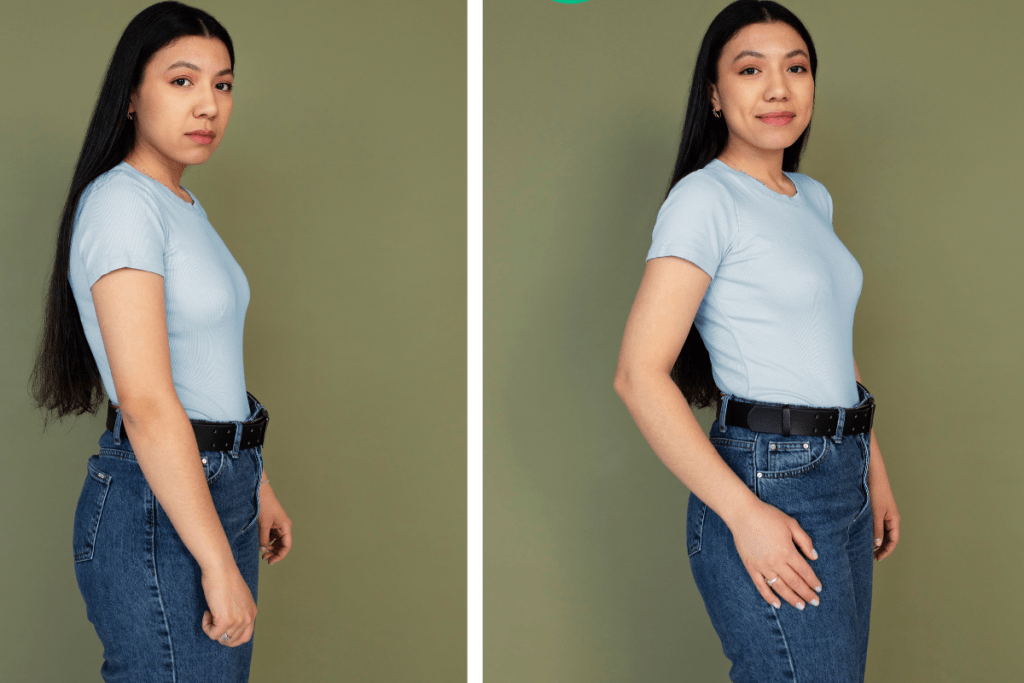
Looking at before-and-after results of fat transfer to breasts in Bellevue can help set realistic expectations. Most patients notice immediate fullness, though some swelling is normal in the early weeks. As swelling subsides and the body absorbs a portion of the transferred fat, the final shape and size become clearer, usually within three to six months.
Recovery timelines vary, but many patients return to light daily activities within a week or two. Strenuous exercise and heavy lifting typically need to wait four to six weeks. Following all post-operative instructions from the surgical team can support healing and help optimize before and after fat transfer to breast.
Is Fat Transfer to Breast Right for Certain Patients?
Breast fat transfer tends to work well for patients seeking a subtle, natural enhancement rather than a dramatic increase in size. Those hoping to go up several cup sizes may find that implants offer a better solution, since the amount of fat that can be safely transferred in a single session is limited.
Having enough excess body fat in donor areas is essential. Very lean patients may not have sufficient fat stores to achieve their desired results. In some cases, a surgeon might recommend gaining a small amount of weight before the procedure or exploring alternative options.
Choosing an experienced, board-certified plastic surgeon matters. Skill in both liposuction and fat injection techniques directly affects the survival rate of transferred fat cells and the overall aesthetic outcome. Reviewing before-and-after photos and asking about a surgeon’s specific experience with fat transfer to breast can help patients make informed decisions.
Why Choose Northwest Face & Body for Fat Transfer Breast Augmentation?
Choosing where to have fat transfer breast augmentation in Kirkland is about more than the procedure itself. It is also about the experience, the surgeon’s expertise, and the support you receive before, during, and after surgery.
At Northwest Face & Body, Dr. Tarak H. Patel and Dr. Rajasekhar Nalluri take a personalized approach to breast fat transfer, focusing on each patient’s goals, anatomy, and desired outcome. They work closely with patients throughout the process, from consultation to recovery, with an emphasis on clear communication, attentive care, and helping patients feel informed about their treatment choices.
Conclusion
Breast fat transfer offers a way to enhance breast size and shape using the body’s own fat. When performed by a skilled surgeon, the procedure can provide natural-looking results, body-contouring benefits, and long-lasting outcomes. Understanding the process, realistic expectations, potential costs, and recovery timeline helps patients feel confident and prepared.
At Northwest Face & Body, patients considering breast fat transfer in Kirkland or Bellevue can start with a consultation to talk about their goals, concerns, and expectations. During this visit, the surgeon can review their anatomy, answer questions, and help create a treatment plan that fits their individual needs.
Contact us or reach out online through the contact form to get started.
Frequently Asked Questions
1. How long does fat transfer to the breast last?
Results can last many years when patients maintain a stable weight. A portion of the transferred fat may be reabsorbed by the body in the first few months, but fat cells that survive the initial period tend to persist over the long term.
2. Is breast fat transfer safer than implants?
Both procedures have strong safety profiles when performed by qualified surgeons. Fat transfer eliminates risks associated with implants, such as rupture or capsular contracture, though it carries its own considerations, such as fat necrosis or uneven absorption.
3. How much fat is needed for a breast fat transfer?
The amount varies based on the patient’s goals and available donor fat. Most procedures use several hundred milliliters per breast, though the exact volume depends on the desired outcome.
4. Will the transferred fat look and feel natural?
Because the enhancement comes from the patient’s own tissue, the results typically look and feel very similar to natural breast tissue. Most patients and their partners cannot distinguish the difference.
5. What happens if patients gain or lose weight after the procedure?
Transferred fat cells behave like other fat cells in the body. Weight gain may cause the breasts to increase in size, while weight loss may reduce volume. Maintaining a stable weight helps preserve results.