
- Search
- About
- Blog
- Careers
- Compounding Pharmacy
- Finance
- Hotels
- Our Team
- Our Mission
- Our Practice
- Virtual Consultations
- Areas We Serve
- Breast Reduction Bellevue Kirkland
- Breast Augmentation Bonney Lake
- Breast Augmentation Lake Tapps
- Breast Augmentation Hawaii
- Facial Fat Transfer in Bellevue & Kirkland With Dr. Khezri
- Tirzepatide For Weight Loss in Bellevue
- Tirzepatide Oral Tablets Kirkland & Bellevue
- Face
- Advanced Hairline Transplant
- Blepharoplasty
- Brow Lift
- Buccal Fat Removal
- Chin Augmentation
- Chin Liposuction
- CO2 Laser Resurfacing
- Direct Brow Lift
- Deep Plane Facelift
- Dimple Creation
- Ear Pinning
- Eyebrow Transplant
- Fat transfer to face
- Facelift
- Facelift With FX Laser Resurfacing
- Fat Transfer Under Eye
- Fat Transfer To Lips
- Grafts Neograft Follicular Unit Extraction
- Hair Transplant
- Hair Transplant Revision
- Hairline Lowering
- Laser Facelift
- Lip Lift
- Liquid Facelift
- Lower Blepharoplasty
- Lower Face Contouring
- Major Scalp Reduction
- Mini Facelift
- Midface Lift
- Minor Scalp Reduction
- Nano Fat Transfer For Your Under-Eyes
- Nano Fat Hair Transplant
- Neck Lift
- Neck Liposuction
- Nose Acne Laser Resurfacing
- Platysmaplasty
- Pumpkin Planing
- Revision Facelift
- Revision Rhinoplasty
- Rhinoplasty / Septoplasty
- Scalp Expander
- Submentoplasty
- Temporal Brow Lift
- Ultrasonic Piezo Rhinoplasty
- Upper Blepharoplasty
- Breast
- Breast Augmentation
- Breast Augmentation Exparel
- Breast Augmentation With Lift
- Breast Augmentation: Gummy Bear
- Breast Augmentation: Saline
- Breast Augmentation: Silicone
- Breast Implant Exchange
- Breast Lift
- Breast Lift With Implant Removal
- Breast Reconstruction Revision
- Breast Reduction
- Breast Reduction Revision
- Breast Revision
- Breast Animation Correction
- Dual Plan Breast Augmentation
- En Bloc Breast Implant Removal
- Fat Transfer to Breasts
- Gynecomastia
- Ideal Breast Implant
- Mandibular Implants
- Revision Breast Lift
- Subfacial Breast Augmentation
- Transaxillary Breast Augmentation
- Transumbilical Breast Augmentation
- Vectra3D Imaging
- Body
- Arm Lift
- Arm Liposuction
- Back Liposuction
- Body Lift
- Brazilian Butt Lift
- Belt Lipectomy
- Bra Line Back Lift
- Breast Lift with Tummy Tuck
- Clitoral Hood Reduction
- Exparel Tummy Tuck
- Extended Tummy Tuck
- Fleur De Lis Tummy Tuck
- Hip Dip Fat Transfer
- Knee Liposuction
- Labiaplasty
- Liposuction
- Liposuction 360
- Liposuction on Thighs
- Male Tummy Tuck
- Mini Tummy Tuck
- Mommy Makeover
- Monsplasty
- Muscle Plication
- Plastic Surgery After Massive Weight Loss
- Revision Mommy Makeover
- Reverse Tummy Tuck
- Skin Removal After Weight Loss
- Thigh lift
- Tummy Tuck
- Tummy Tuck Revision
- Tummy Tuck With Thigh Lift
- Tummy Tuck After Weight Loss
- Tummy Tuck After Semaglutide
- Vaser High Definition
- Hymenoplasty
- Weight Loss
- Non-Invasive
- Bellafill
- Botox
- Botox For Bunny Lines
- Botox for Droopy Eyelids
- Botox For Hooded Eyes
- Botox For Gummy Smile
- Botox For Smile Lines
- Botox For Platysmal Bands
- Botox for Migraines
- Botox for Bruxism
- Botox For TMJ
- Botox for Calves
- Botox for Premature Ejaculation
- Botox for Hair Loss
- Botox For Plantar Hyperhidrosis
- Cheek Filler
- Chin Filler
- Dermal Facial Fillers
- Dysport
- Daxxify
- Hand Filler
- Jaw Filler
- Juvederm
- Kybella
- Lip Filler
- Laser Hair Removal For Men
- Laser Hair Removal For Women
- Marionette Line Filler
- Non-Surgical Hair Restoration
- Non-Surgical Rhinoplasty
- Non-Surgical Gynecomastia
- Penile Filler
- Radiesse
- Restylane
- Restylane Eyelight
- Rain Facial
- Smile Line Filler
- Sculptra
- Scrotum For Botox
- Trans Laser Hair Removal
- Tear Trough Filler
- Trapezius Botox
- Temple Filler
- ThermiVa
- Salmon PDRN Treatment
- Skin
- Keloid Scar Treatment
- Acne Treatment
- Brow Lamination
- Chemical Peel
- Combo Brows
- Dermaplaning
- Eyebrow Tint
- Free Skin Consultation
- IPL
- Laser Hair Removal
- Laser Patch Test Protocol
- Laser Scar Resurfacing
- Laser Tattoo Removal
- Lash & Brow Services
- Lash Extensions
- Lash Lift & Tint
- Led Light Therapy
- Melasma Treatment
- Microneedling
- Mole Removal
- Photofacial
- Powder Brows
- RF Microneedling for Scars
- RF Microneedling
- The Perfect Derma Peel
- VI Peel
- Waxing
- Zombie Carbon Laser Peel
- Medical Treatments
- Specials
- Pricing
- Gallery
- Call (425) 576-1700
Subfacial Breast Augmentation in Bellevue and Kirkland
Procedure Time
1-3 Hours
Recovery Time
Approx. 1 week
Transform Your Confidence with Advanced Dual Plane Breast Augmentation
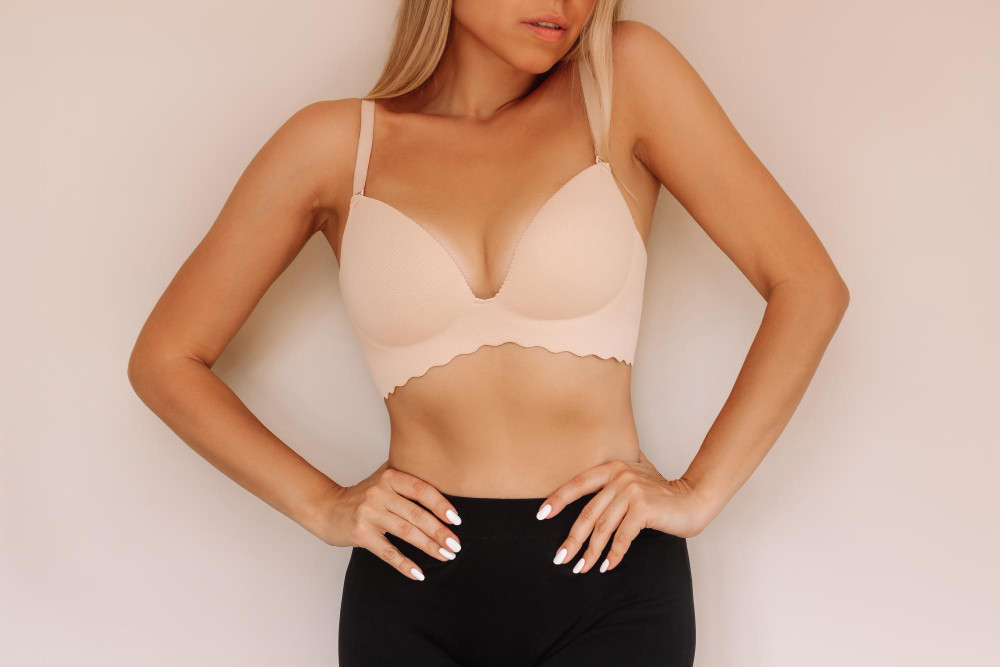
What is Subfacial Breast Augmentation?
Subfascial breast augmentation is a state-of-the-art surgical technique. It involves placing breast implants beneath the fascia, a thin layer of connective tissue covering the pectoralis muscle. This innovative method provides several advantages compared to conventional subglandular (above the muscle) and submuscular (below the muscle) augmentation approaches.
Advantages of Subfascial Breast Augmentation
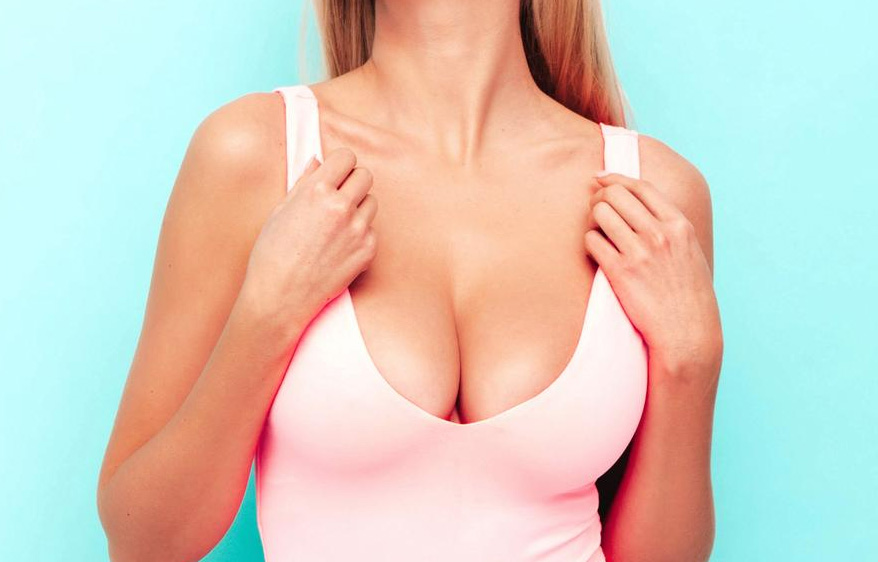
1. Natural Look and Feel
- The fascia layer provides extra coverage over the implant, which helps create smoother transitions at the upper breast.
- Compared to subglandular placement, subfascial pockets reduce the chance of visible implant edges, especially in thinner patients.
2. Less Implant Movement with Muscle Contraction
- Because the implant sits on top of the chest muscle (but beneath the fascia), it avoids the distortion that sometimes occurs with submuscular placement when the chest muscles flex.
- This can be particularly beneficial for athletic patients or those who regularly engage in upper-body workouts.
3. Reduced Rippling Risk
- The fascia provides an additional layer over the implant, helping to mask rippling, which is more common in patients with less natural breast tissue.
4. Shorter Recovery Time
- Recovery is often quicker than with submuscular placement since the chest muscle is not lifted or cut.
- Patients typically experience less postoperative discomfort compared to dual plane or full submuscular techniques.
5. Lower Risk of Animation Deformity
- Animation deformity—where implants move unnaturally during chest muscle contraction—is less common with subfascial placement.
6. Stable Long-Term Positioning
- The fascia helps hold the implant in place, reducing the risk of downward movement (bottoming out) compared to subglandular placement alone.
Saline Breast Implants in Bellevue
Saline implants are filled after being placed, which often allows for a smaller incision during surgery. They are generally best suited for patients who already have sufficient natural breast tissue, since saline has a higher likelihood of visible rippling when tissue coverage is thin.
Silicone Breast Implants in Bellevue
Silicone gel implants continue to be one of the most popular options due to their softness, natural feel, and reduced rippling compared to saline. Modern cohesive gels are thicker, more durable, and offer an improved safety profile, making them a preferred choice for many patients.
Gummy Bear Breast Implants in Bellevue
Highly cohesive silicone implants—often referred to as “gummy bear” implants—are designed to maintain their shape even if cut, much like the consistency of a gummy bear candy. These implants provide natural projection and are available in varying levels of firmness, from softer gels to firmer options, allowing customization based on each patient’s body type and goals.
Recovery Phase After Subfascial Breast Augmentation
Immediately After Surgery (First 48–72 Hours)
- Expect swelling, tightness, and mild to moderate discomfort around the chest.
- Pain is generally less intense than with submuscular placement, since the chest muscle is not lifted.
- Prescription pain medication may be used at first, transitioning to over-the-counter options as discomfort improves.
First Week
- Swelling and bruising begin to subside, though the breasts may still appear firm and sit higher than their final position.
- Walking is encouraged, but heavy lifting or strenuous arm movements should be avoided.
1–2 Weeks
- Many patients can return to desk work or non-physical jobs within a week.
- Soreness decreases steadily.
- Sutures, if not dissolvable, may be removed during this period.
3–4 Weeks
- Light exercise, such as walking or gentle lower-body workouts, can usually be resumed.
- Upper-body workouts and heavy lifting are still restricted.
- Swelling continues to resolve, and implants begin to settle into a more natural position.
6 Weeks and Beyond
- Most patients are cleared for full exercise, including chest and arm workouts.
- Breasts feel softer and look more natural as implants drop into place.
- The majority of swelling is gone, though subtle changes in shape may continue for several months.
3–6 Months
- Final results become more apparent as tissues fully heal.
- Scars continue to mature and fade over time.
- Breasts typically look and feel natural, with improved softness and contour.
Before and After Expectations
Patients considering subfascial breast augmentation in Bellevue and Kirkland often want a clear picture of how results evolve. Immediately following surgery, the breasts typically appear higher and fuller due to swelling and implant positioning. Over the following weeks, swelling gradually resolves, and implants settle into a more natural position.
Final results are generally visible after nine to twelve months, once tissues fully adjust. Many patients note improved balance, softer contours, and a stable, long-lasting outcome.
During consultation, patients can review before and after photos of breast augmentation to understand how different implant sizes, shapes, and placements translate into real results. These examples provide a realistic framework for what can be achieved through subfascial placement or, in appropriate cases, the breast augmentation dual plane technique.
Subfascial Breast Augmentation Cost in Bellevue and Kirkland
At Northwest Face & Body, subfacial breast augmentation in Bellevue and Kirkland starts at $4,999, excluding prescription medications and medical clearance. The total cost also varies depending on the size of the implants chosen. Patients will receive a personalized quote following a consultation.
Subfascial vs. Submuscular Breast Augmentation
When comparing implant placement options, subfascial breast augmentation offers a balance between muscle coverage and natural movement.
- Muscle preservation:- In subfascial breast augmentation, the implant sits above the muscle, allowing it to function normally. At the same time, submuscular placement involves lifting the muscle, which can temporarily affect strength and comfort during recovery.
- Reduced animation deformity:- Subfascial implants are not influenced by muscle activity, which helps limit movement during chest contraction. With submuscular breast augmentation, the implant may shift or move when the muscle flexes.
- Faster recovery: Typically allows for a smoother and more comfortable recovery, because the muscle is not disturbed in subfascial augmentation, patients often report less tightness and soreness. Submuscular breast augmentation surgery may involve more discomfort due to muscle healing
- Ideal for athletic patients: Subfascial breast augmentation is often preferred by patients who are physically active, including lifting weights, practicing yoga, or engaging in sports. It helps preserve natural motion while maintaining a stable and balanced breast shape. Submuscular placement can sometimes feel restrictive during exercise or strength training.
Who Is a Good Candidate for Subfascial Breast Augmentation?
Subfascial breast augmentation procedure works best for patients who have some specific anatomical characteristics, such as:-
- Adequate natural breast tissue:– Patients with existing breast tissue are better able to conceal the implant and achieve a much smoother contour. This natural coverage helps reduce visibility along the implant’s edges.
- Good skin elasticity:- Firm, elastic skin allows the breast to adapt well to the implant. This helps maintain a balanced shape and supports long-term aesthetic results.
- Desire for natural movement:– As the implant is not influenced by muscle contraction, many patients experience more natural movement. This can create a softer feel during everyday motion.
- Active lifestyle:– Patients who exercise frequently or rely on upper body strength often benefit from Subfascial Breast Augmentation.
During consultation, your surgeon will determine if subfascial or dual plane placement is best for your anatomy.
Take the Next Step Toward Natural Results
At Northwest Face & Body, Dr. Tarak Patel and Dr. Ludwig Allegra combine decades of surgical experience with modern implant planning techniques to ensure each patient receives the safest and most natural-looking result possible. Their approach integrates advanced imaging technology with personalized surgical planning to deliver outcomes that align with each patient’s unique anatomy and goals.
Schedule your private consultation today by calling us at (425) 842-7801 or using the contact form. Patients from Bellevue, Kirkland, and throughout the Seattle metro area are welcome to have a free consultation.
FAQs
How long do subfascial breast implants last?
Modern breast implants are designed to last for a lifetime. Most patients enjoy their results for 10 to 20 years before considering replacement. Routine monitoring through regular checkups helps ensure implants remain in good condition. The subfascial pocket provides stable support that may contribute to longer implant positioning.
Can subfascial breast augmentation be combined with a lift?
Yes, subfascial placement works well in combination with a breast lift for patients who need both volume restoration and correction of sagging. This combination addresses multiple concerns in a single procedure. Your surgeon will evaluate your tissue quality, nipple position, and aesthetic goals to determine if combining these procedures is appropriate for your situation.
When can I return to exercise?
Most patients can resume light walking within the first few days after surgery. Lower-body workouts may be possible after three to four weeks, while upper-body exercises typically require clearance at the six-week mark. Athletes should discuss their specific training regimen during consultation to receive personalized guidance on returning to full activity safely.
Will Subfascial Breast Augmentation Look Natural?
Yes, because the implant is covered by the fascia and not distorted by muscle movement, patients often experience softer and more natural upper breasts. The fascial layer helps create a smooth envelope around the implant while allowing natural mobility during daily activities.