
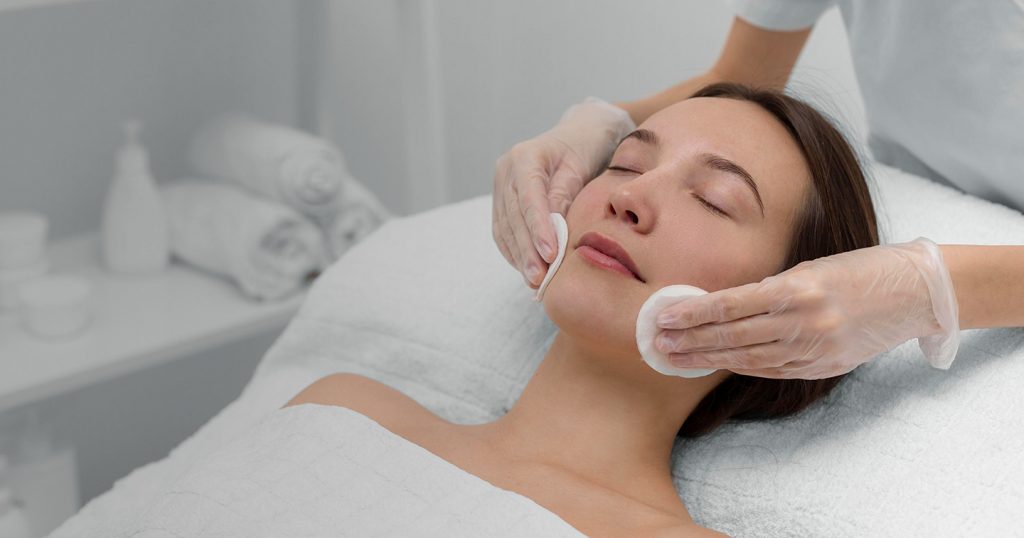
- Understanding Chemical Peels for Hyperpigmentation
- Types of Chemical Peels
- Factors That Affect the Number of Treatments
- What Results Can You Expect Over Time?
- Why Sun Protection Is Essential
- How to Maximize Your Results
- Cost of Chemical Peels for Hyperpigmentation
- Choosing the Right Professional
- Conclusion
- Ready to Say Goodbye to Dark Spots?
- Frequently Asked Questions
You’ve tried serums, dark spot correctors, and home remedies, yet the pigmentation hasn’t faded. Hyperpigmentation can be stubborn, and when topical products no longer move the needle, chemical peels are a practical next step.
So, how many chemical peels do you need for hyperpigmentation? For most people, it’s a series, not a one-and-done treatment. The exact number depends on how deep the pigment sits, your skin type, and the peel strength used.
Understanding Chemical Peels for Hyperpigmentation
Chemical peels improve hyperpigmentation by removing damaged outer layers of skin through controlled exfoliation. As the treated skin sheds, new skin cells replace it, gradually reducing the appearance of dark spots and uneven tone.
Hyperpigmentation develops due to excess melanin production in certain areas of the skin. According to sources, skin pigmentation disorders occur when melanin is produced unevenly or in excess, leading to darkened patches and spots
Different chemical peels penetrate the skin at different depths. Some target only surface discoloration, while others work deeper to address stubborn pigmentation such as melasma or post-inflammatory hyperpigmentation.
Types of Chemical Peels
1) Light Chemical Peels: Light peels target the outermost layer of the skin (epidermis) and are often used for mild discoloration, dull tone, and early unevenness. They typically come with minimal downtime.
- Recommended for: Patients undergoing their first chemical peel, mild sun spots, early post-acne marks, overall brightening
- Typical schedule: every 2–5 weeks for a series
- What to expect: mild dryness, light flaking, brighter tone within 1–2 weeks
2) Medium-Depth Chemical Peels: Medium peels go deeper (into the upper dermis). The difference between light and medium peel is that the contents of the acids used are more compared to light peel. They are often selected when there is increased pigmentation or when texture and fine lines are also among the goals.
- Recommended for: more noticeable hyperpigmentation, moderate sun damage, stubborn uneven tone
- Typical schedule: often 3–4 sessions, spaced about 4–6 weeks apart
- What to expect: more visible peeling than light peels, several days of “recovery skin.”
3) Deep Chemical Peels: It is an intense, medical-grade, skin resurfacing procedure that penetrates deeper into the skin. In this procedure, an aesthetician primarily applies a sedative to the skin, using local anesthesia to numb the face. Phenol is generally used in deep chemical peeling.
- Recommended for: significant sun damage or deeper resurfacing goals (case-by-case)
- Typical schedule: often performed once
- What to expect: substantial peeling and downtime; higher risk profile; not recommended for all skin tones
Factors That Affect the Number of Treatments
The total number of chemical peel sessions you need is highly individual. Several key factors influence your treatment plan, and your master esthetician at Northwest Face & Body will evaluate each of these during your consultation:
- Severity of hyperpigmentation: Recent sun damage tends to respond more quickly than long-standing melasma or post-inflammatory hyperpigmentation. Deeper or more established pigmentation generally requires more sessions.
- Type of pigmentation: Sun spots and age spots often improve within three to four treatments. Post-acne marks may require four to six sessions. Melasma tends to be more persistent and may need five to eight treatments, along with ongoing maintenance care.
- Skin type and tone: Darker skin tones often benefit from gentler, more gradual treatment plans to minimize the risk of irritation-triggered pigmentation. Lighter skin types may tolerate stronger peels, which can sometimes reduce the total number of sessions needed.
- Peel depth and type: The strength and formulation of the peel directly impacts how quickly results appear. Deeper peels generally require fewer sessions, while lighter peels require more frequent treatments to achieve comparable results.
- Skincare habits and sun protection: Patients who consistently wear broad-spectrum SPF and follow a solid at-home skincare routine tend to see faster and longer-lasting results. Sun exposure between treatments can slow progress or trigger new pigmentation.
- Overall skin health: Pre-existing conditions such as rosacea, eczema, or active acne may influence which peels are appropriate and how frequently they can be performed.
What Results Can You Expect Over Time?
Chemical peel results build gradually. Here’s a simple timeline of what most patients notice as treatments progress:
- After your first peel: Mild redness, tightness, and light peeling are common.
- Within 1–2 weeks: Skin often looks brighter, smoother, and more refreshed.
- After peels #2–#3: Dark spots typically begin to fade, and texture looks more refined. Your overall tone starts to look more even.
- After peels #4–#5: Many patients see significant improvement in discoloration and overall clarity.
- Over 3–6 months: Results usually reach their best point with consistent sessions and strict sun protection.
- Ongoing maintenance (when needed): If you have melasma or deeper pigmentation, occasional maintenance peels may help keep discoloration from returning long-term.
Why Sun Protection Is Essential
Sun exposure is one of the leading causes of hyperpigmentation and can reverse your results if not managed carefully. The U.S. Food and Drug Administration emphasizes the importance of using broad-spectrum sunscreen to protect against both UVA and UVB rays
Daily SPF use after a chemical peel is essential. Without proper sun protection, pigmentation can return quickly.
How to Maximize Your Results
A few habits make a big difference:
- Pre-peel: avoid tanning and heavy exfoliation; follow your provider’s prep guidance.
- Post-peel: keep skincare gentle and hydrating, avoid picking/flaking, and commit to SPF daily.
- Smart combinations: some patients pair peels with other skin treatments (when appropriate) to target texture + tone more efficiently.
At NW Face & Body, chemical peels can be combined with other procedures (such as microneedling or dermaplaning), depending on the plan your provider develops for your skin.
Cost of Chemical Peels for Hyperpigmentation
The cost of chemical peels varies based on peel depth, formulation, and provider experience. At Northwest Face & Body, light chemical peels start at $175 per session. Package pricing is often available, such as the Glow Up Package, which includes three chemical peels and three microneedling sessions for less than purchasing the six treatments individually, making the treatment more affordable.
For personalized pricing information, Northwest Face & Body offers a state-of-the-art online Price Simulator, where you can calculate an estimated quote for your procedure.
Choosing the Right Professional
Treating hyperpigmentation takes more than picking a “strong” peel. The wrong peel type or strength can irritate the skin and make discoloration worse, especially if you’re prone to post-inflammatory pigmentation. That’s why experience and customization matter.
At Northwest Face & Body, treatments are guided by master estheticians who are trained in chemical peels, advanced skincare, and how different skin tones respond to resurfacing. Their background helps them choose the right peel and the right pace, so you get steady improvement without unnecessary risk.
Before your first peel, you’ll start with a free skin consultation. Your master esthetician will look at your skin type, identify what kind of pigmentation you have (and how deep it appears), review relevant health history, and build a plan that matches your goals and your comfort level. This step is important because it keeps expectations realistic and helps you avoid common setbacks.
Northwest Face & Body is based in Kirkland near Lake Washington, serving the Bellevue and Kirkland area for decades. The clinic offers private treatment rooms and a calm, welcoming setting, so you can feel comfortable throughout your skincare plan.
Conclusion
In most cases, three to six chemical peel sessions are needed to improve hyperpigmentation. Mild discoloration may resolve in fewer treatments, while deeper or hormone-related pigmentation can require additional sessions and maintenance. Consistency, professional guidance, and strict sun protection are the keys to long-term success.
At Northwest Face & Body, our master estheticians are here to help you every step of the way, from your first consultation to your final follow-up.
Ready to Say Goodbye to Dark Spots?
If you are ready to take the next step toward clearer, more even skin, the master estheticians at Northwest Face & Body are here to help. We offer free skin consultations and personalized treatment plans designed around your unique skin type and pigmentation concerns.
Book your free chemical peels consultation in Kirkland today and discover which chemical peel is right for you.
Frequently Asked Questions
How many chemical peels are required to remove dark spots completely?
Most people need 3 to 6 treatments to significantly fade dark spots. Superficial pigment can improve faster, while deeper pigment may need more sessions and ongoing maintenance.
Do chemical peels permanently remove hyperpigmentation?
They can dramatically reduce it, but “permanent” depends on triggers. Without daily broad-spectrum SPF and good skincare, pigment can return—especially if sun exposure or inflammation continues.
What type of chemical peel is best for melasma?
Melasma often responds best to a series of light-to-medium peels paired with strict sun protection and pigment-safe skincare. Because melasma is prone to recurrence, many patients do best with a long-term maintenance strategy.
How long does it take to see results from chemical peels?
Some brightening can show within 7–14 days after the first peel. More noticeable fading usually builds after the second or third session, with best results commonly developing over 3–6 months.
Are chemical peels better than laser treatment for hyperpigmentation?
Both can work. Peels are often a good choice for gradual, customizable improvement, especially when pigment risk is a concern. Lasers may work faster in some cases, but can carry a higher pigment risk in certain skin tones.
Can darker skin tones safely get chemical peels?
Yes, when the plan is conservative and performed by an experienced professional. Gradual peel selection and careful aftercare reduce the risk of irritation-triggered discoloration.
Is one deep chemical peel better than multiple light peels?
Not always. Deep peels can be dramatic but involve more downtime and a higher risk. Many people get excellent results through multiple light or medium peels with a more controlled approach.
What happens if hyperpigmentation comes back after treatment?
It usually means triggers (sun, heat, inflammation, hormones) are still active. Maintenance treatments and daily SPF help keep pigment under control long term.
Can chemical peels treat post-acne dark marks?
Yes. Post-inflammatory hyperpigmentation often responds well to peels, which accelerate turnover and gradually lift discoloration. PIH is linked to melanin overproduction after inflammation (such as acne), so controlling breakouts and irritation is important.
Are at-home chemical peels effective for hyperpigmentation?
They can help mild surface discoloration, but they’re typically weaker and less predictable. Professional peels are stronger, more customizable, and safer when guided by trained providers, especially for stubborn pigment.
Additional Reads: