

Hair Transplant in Bellevue & Kirkland
Procedure Time
6-8 hours
Recovery Time
5-7 days
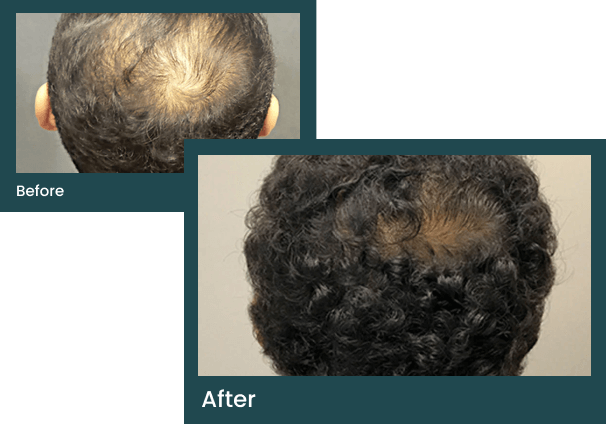
Losing hair is personal. It can affect confidence and how people see themselves. The goal is not just coverage. It is a result that looks natural, with a hairline and density that blend seamlessly with existing hair. At Northwest Face & Body, hair restoration is performed with both medical precision and an aesthetic eye, ensuring results that look natural, balanced, and consistent with the patient’s features.
Patients in Bellevue and Kirkland can choose a team with a long track record in cosmetic surgery. With more than 30 years of experience and surgeries led by renowned board-certified cosmetic surgeons, Northwest Face & Body offers one of the best hair transplant results compared to other clinics.
Why Choose Northwest Face & Body for Hair Transplant?
Hair restoration goes beyond simply placing grafts. It’s about bringing back balance, confidence, and a natural look from every angle. At Northwest Face & Body, we base our hair transplant approach on facial aesthetics, making sure each hairline matches your facial structure, age, and natural hair growth.
Established in 1983, Northwest Face & Body brings more than 40 years of surgical experience and a record of over 30,000 completed procedures. Procedures are led by board-certified surgeons and performed in a state-regulated (Washington State Department of Health)-certified surgical facility. This level of credentials and experience sets the practice apart from other hair clinics, where you can choose customized FUE and FUT hair transplant techniques.
With these credentials, experience, and technique, Northwest Face & Body is recognized for delivering some of the best hair transplant results in Bellevue and Kirkland, helping patients achieve long-lasting, natural-looking hair restoration with confidence.
What is Hair Transplantation?
Hair transplant procedures focus on relocating hair follicles from denser areas of the scalp (often the back and sides of the head) to areas experiencing thinning or baldness. Unlike other hair restoration methods that may temporarily boost the appearance of hair, transplants provide permanent results by utilizing the patient’s own hair follicles.
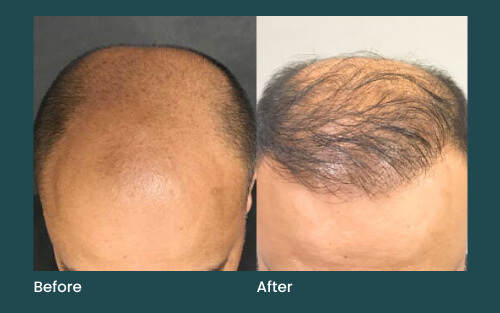
Types of Hair Transplant Techniques
- Follicular Unit Extraction (FUE): This minimally invasive procedure extracts individual hair follicles and transplants them to balding areas. Known for minimal scarring, leaving no linear scar, and offering a quicker return to active lifestyles, FUE is a popular choice for those looking for less downtime.
- Follicular Unit Transplantation (FUT): In this method, a strip of skin with hair follicles is removed from the donor site and then carefully separated and transplanted. FUT is often the gold standard for maximizing graft yield in a single session, making it efficient for covering larger areas of hair loss.
Hair Transplant for Women in Bellevue & Kirkland
Hair restoration is often marketed towards men, but female pattern hair loss is a common and deeply personal experience for many women in Bellevue and Kirkland. At Northwest Face & Body, we specialize in the unique requirements of female hair transplants.
Women typically experience hair thinning rather than a receding hairline. Our approach for women prioritizes:
- Discretion: Techniques that often do not require shaving the entire head.
- Density: Strategic placement to restore volume and coverage.
- Aesthetic Sensitivity: Understanding the emotional impact of hair loss to provide a supportive, judgment-free environment.
Understanding Hair Loss and Its Types
Hair loss can result from various factors, each requiring unique treatment approaches. Common causes of hair loss include genetics, hormonal imbalances, stress, and certain medical conditions. Here’s a breakdown of typical types of hair loss that hair transplant and restoration techniques can address:
- Male Pattern Baldness: Typically appearing as a receding hairline or thinning on top, this is often hereditary and treatable with FUE or FUT.
- Female Pattern Baldness: Women experience hair thinning differently, often as a general thinning across the scalp.
- Temple or Hairline Recession: Common with genetics and aging, often treated with a precise hairline design.
- Traction Alopecia: Hair loss from long-term pulling or tight styles; candidacy depends on follicle damage and stability.
- Alopecia Areata: This autoimmune condition causes patchy hair loss and can be managed based on the individual case.
- Temporary Shedding (Telogen Effluvium): Often triggered by stress, illness, or hormonal shifts, and may improve with non-surgical care rather than transplant.
- Scarring (Cicatricial) Alopecia: Can limit transplant options and requires careful medical evaluation first.
- Other Types: Forms like Traction Alopecia (caused by prolonged pulling on the hair) and Cicatricial Alopecia (scarring hair loss) may also be treated with transplant methods.
Who is a Good Candidate for a Hair Transplant?
The best candidates have enough donor hair and understand what results to expect. FUE and FUT are effective for people with male- or female-pattern baldness.
However, being open and honest is important for good results. You might not be a good candidate if:
- You have widespread thinning, also called “diffuse unpatterned alopecia” (DUPA), which means you do not have enough donor hair.
- You have scarring alopecia (Cicatricial Alopecia), where the scalp cannot support new grafts, although some cases can be treated.
- You expect instant fullness or want a hairline that looks much younger than your age.
Hair Transplant Techniques Offered
The two primary hair transplant options available at Northwest Face & Body are Follicular Unit Extraction (FUE) and Follicular Unit Transplantation (FUT). Each technique has unique benefits, and the best choice depends on your goals, hair type, and scalp condition.
Who is a good candidate for FUE & FUT Hair Restoration?
Ideal candidates include those with sufficient donor hair density and realistic expectations about the outcome. FUE and FUT are suitable for individuals experiencing male or female pattern baldness and other types of hair loss that are non-scarring.
Non-Surgical Hair Restoration Options
- Minoxidil (Rogaine): A topical treatment that stimulates hair growth.
- Finasteride (Propecia): An oral medication that slows hair loss progression in men.
- Platelet-Rich Plasma (PRP) Therapy: PRP therapy uses the patient’s blood platelets to stimulate hair growth.
- Low-Level Laser Therapy (LLLT): A light therapy option to enhance hair density and slow down hair loss.
The Hair Transplant Procedure (Step-by-Step)
We aim to make your procedure as comfortable and transparent as possible. Here is what you can expect on the day of your surgery:
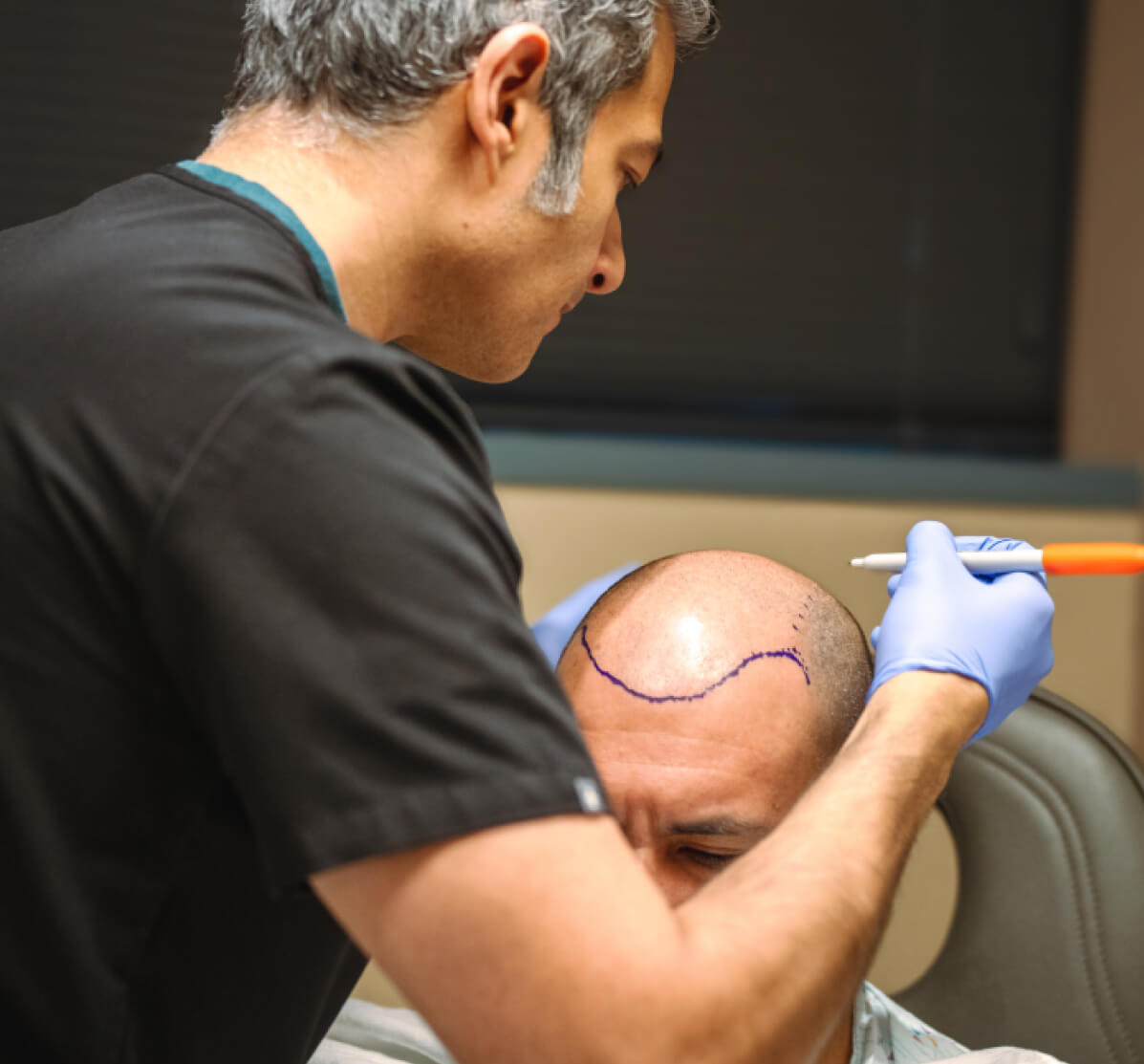
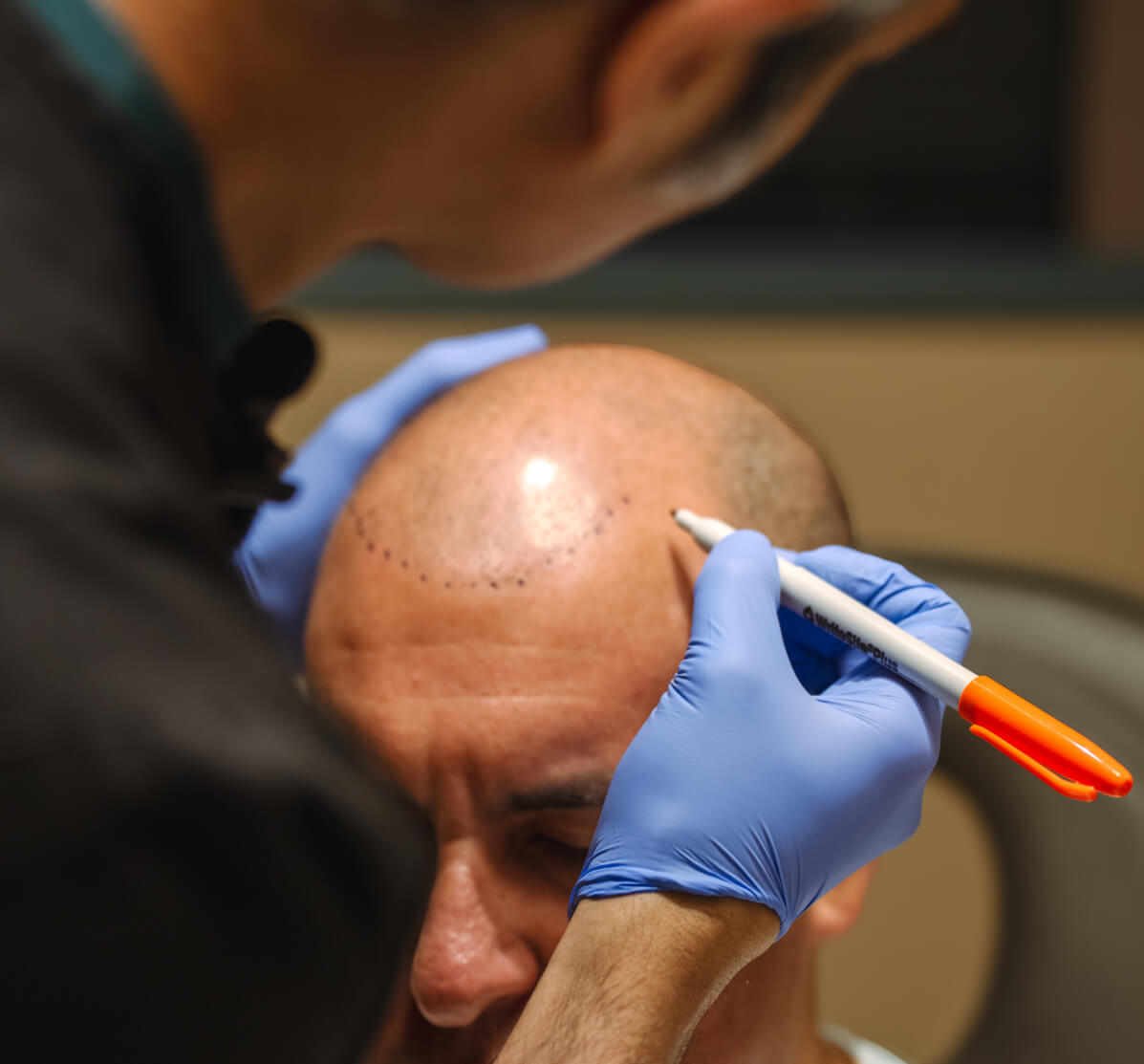
- Consultation & Design: We review the plan and draw your new hairline design on your skin for your approval, ensuring it frames your face perfectly.
- Donor Preparation: The donor area (back of the head) is trimmed, and local anesthesia is administered to ensure you feel no pain.
- Graft Extraction: Using FUE or FUT techniques, healthy follicles are carefully harvested by our skilled team.
- Recipient Site Creation: The surgeon makes tiny, precise incisions in the thinning areas at the exact angle and direction of your natural hair growth.
- Implantation: Grafts are placed one by one into the recipient sites. We ensure the most natural density and flow.
- Comfort Measures: Throughout the 6-8 hour process, you can relax, watch movies, or nap while our team works.
Recovery Timeline & Hair Growth Stages
Understanding the growth cycle is crucial for managing expectations. Hair restoration is a journey, not an overnight fix.
- Days 1–7 (Healing): You may experience minor swelling and scabbing. Most patients feel comfortable returning to work and normal activities within 5-7 days.
- Weeks 2–4 (Shedding Phase): Do not be alarmed—the transplanted hair shafts will fall out. This is a normal part of the process called “shock loss.” The root remains healthy and alive beneath the skin.
- Months 3–4 (New Growth): You will begin to see fine, new hair sprouting from the treated areas.
- Months 6–9 (Maturation): The hair becomes thicker, longer, and covers more area. Significant visual improvement is obvious.
- 1 Year (Final Results): By the 12-month mark, you will see the full density and natural result of your transplant.
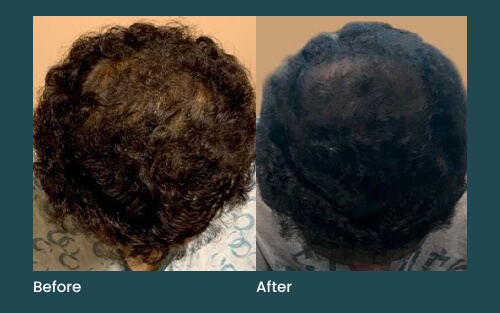
Before & After Hair Transplant Results
Hair Transplant Cost in Bellevue & Kirkland
Northwest Face & Body offers transparent per-graft pricing. The cost of Follicular Unit Transplantation (FUT) is $4.5 per graft, and Follicular Unit Extraction (FUE) is $5 per graft. Total price varies based on the number of grafts required, the areas being treated (hairline vs. crown vs. multiple zones), the complexity of the case, and whether the patient pairs transplant care with supportive treatments. Pricing and a personalized estimate are reviewed during consultation, along with financing options for qualified patients.
Are Financing Options Available for Hair Restoration Procedures?
Yes, financing options are available, allowing patients to manage costs comfortably over time. We partner with CareCredit, Alphaeon, and United Medical Credit.
Get Started with Hair Restoration in Bellevue & Kirkland
Restoring your hair is a step towards restoring confidence. Schedule a consultation at Northwest Face & Body to discuss your options and start your journey toward a fuller head of hair. Located conveniently for patients in Bellevue, Kirkland, and surrounding areas, the clinic offers top-notch services designed to meet your individual needs.
Patients can call us at 425-473-1074, or reach out online via chat or contact form.
Frequently Asked Questions
Is a hair transplant permanent?
Yes. The hair follicles taken from the back of the head are genetically resistant to the hormone (DHT) that causes balding. Once transplanted, they continue to grow for life.
What is a robotic hair transplant?
Robotic hair transplants use automated technology to enhance precision, often applied in FUE procedures.
What should I expect during the hair transplant procedure?
Patients can expect a comfortable, minimally invasive experience, with most procedures completed in a few hours.
What is the recovery time after a hair transplant?
Recovery times vary, but most patients return to normal activities within a week.
How long does it take to see results from hair restoration?
Initial results may appear within three to four months, with full results often visible by one year.
Can women undergo hair transplant surgery?
Yes, women are candidates for hair transplant surgery, especially if experiencing female pattern baldness.
Will my hair transplant results look natural?
Yes, it will, as expert cosmetic surgeons are performing your hair transplant. The results are phenomenal, with designs blending seamlessly with your existing hair.
How long do hair transplant results last?
Hair transplant results are generally permanent, as the transplanted hair follicles continue to grow naturally. They are not susceptible to the hormones that cause genetic hair loss.
Can I combine hair transplant with other procedures?
Yes, hair transplants can be combined with non-surgical treatments such as PRP therapy to enhance overall results.
Will the transplanted hair fall out?
No. The actual hair shaft used during the transplant will shed a few weeks after surgery, which is also known as shock loss, but the follicle root will remain. New, permanent hair will begin growing in 3-4 months.
Can I cut and style my transplanted hair?
Yes absolutely. Once the hair has grown in, it is your own natural hair. You can cut, dye, style, and treat it just like the rest of your hair.
How many grafts will I need?
Generally, grafts vary significantly from patient to patient. A minor hairline touch-up may require 500–1,000 grafts, while a complete restoration could require 2,000–3,000+ grafts. Your consultation will provide an exact number.