Some skin concerns run deeper than what serums and surface-level treatments can reach. You might notice lines that weren’t there before, scars that keep drawing your attention, or sun damage that no longer fades with brightening products. We know it can be frustrating when nothing seems to make a real difference. CO₂ lasers are designed to address these deeper concerns.
If you’ve been considering laser resurfacing but want a deeper understanding of how CO₂ technology works and what it can improve, this guide explains everything you need to know.
What Is a CO₂ Laser Treatment?
A CO₂ laser treatment is an advanced skin-resurfacing procedure. It uses a focused beam of light to precisely remove damaged outer layers of skin and stimulate new collagen growth underneath. Because the laser targets water within the skin, it can vaporize aged or scarred tissue accurately. It creates controlled micro-injuries that prompt the body to regenerate smoother, healthier skin.
This is why CO₂ resurfacing is considered one of the most effective options for improving deep wrinkles, acne scars, uneven texture, and significant sun damage. Unlike lighter treatments that only reach the surface, CO₂ lasers work at multiple depths to tighten skin, refine tone, and restore a more youthful, even complexion with long-lasting results.
What Are the Benefits of CO₂ Laser Treatment?
This process offers two major benefits:
- Immediate resurfacing: The outermost, damaged layers of skin are removed.
- Deep collagen remodeling: Heat delivered to the dermis stimulates new collagen and elastin formation over months.
Other benefits include:
- Smoother overall skin texture
- Firmer, tighter skin
- Softer appearance of acne and surgical scars
- More even skin tone and reduced discoloration
- Smaller-looking pores
- Long-lasting improvement as collagen continues to rebuild
- Adjustable treatment depth for different skin concerns
- More noticeable results than non-ablative lasers
How CO₂ Lasers Smooth Wrinkles
Wrinkles form due to aging, collagen loss, repeated facial movements, dehydration, and environmental damage.
- Softening Fine Lines: By removing damaged outer skin cells and promoting new tissue growth, CO₂ lasers significantly reduce fine creases around the eyes, mouth, and forehead.
- Improving Deep Wrinkles: The intense collagen stimulation helps thicken and tighten the skin, improving the appearance of deeper static wrinkles that remain even when your face is at rest.
- Refining Skin Texture: As resurfacing occurs, skin becomes smoother and more even, giving the complexion a fresher, rejuvenated look often compared to “turning back the clock.”
This makes CO₂ laser resurfacing especially popular for patients who want noticeable wrinkle correction without undergoing a surgical facelift.
How CO₂ Lasers Improve Scars
CO₂ lasers are widely used to treat different types of scars, including acne scars, trauma scars, and surgical scars. They work by:
- Breaking Down Scar Tissue: The laser energy vaporizes tough, irregular scar tissue so the body can replace it with smoother, healthier skin.
- Stimulating New Collagen Production: As the skin remodels, depressions from acne scars gradually fill in, and raised scars become flatter and softer.
- Evening Out Texture: By resurfacing the top layers of the skin, CO₂ lasers help reduce unevenness and create a more refined complexion overall.
This makes CO₂ laser resurfacing one of the most effective non-surgical solutions for long-standing or severe acne scarring.
How CO₂ Lasers Treat Sun Damage
Years of unprotected sun exposure can lead to dark spots, uneven pigmentation, rough skin, and visible aging. CO₂ lasers target these concerns on multiple levels:
- Removing Photodamaged Skin: The laser eliminates the surface layer where sun-induced discoloration and roughness are most evident.
- Reducing Brown Spots and Hyperpigmentation: By resurfacing pigmented cells and stimulating regeneration, CO₂ lasers help fade sunspots and uneven tone.
- Improving Skin Quality: CO₂ treatment boosts collagen, addressing the leathery texture and enlarged pores that often accompany chronic sun exposure.
The result is clearer, brighter, and noticeably healthier-looking skin.
What to Expect During and After Treatment
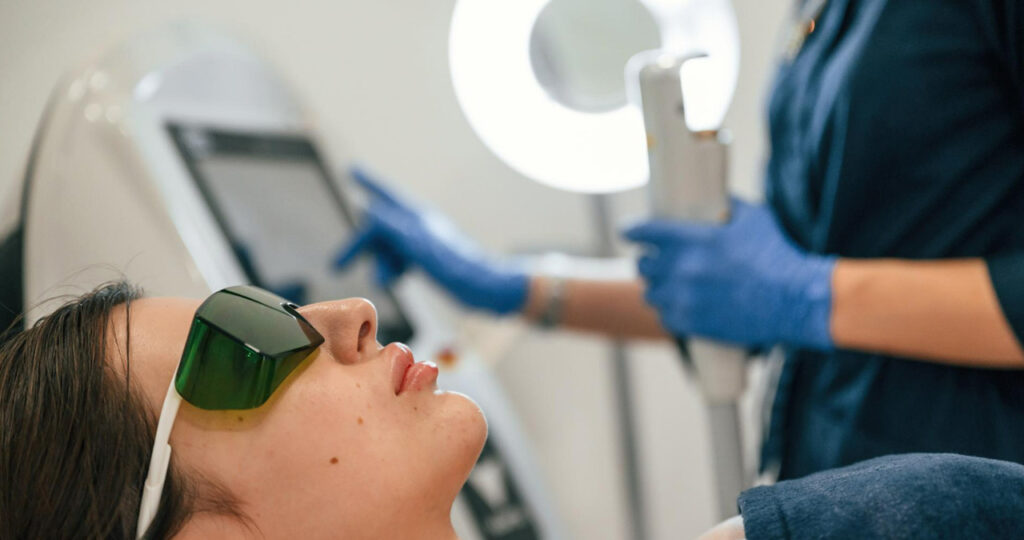
A CO₂ laser session typically involves:
During Treatment
- General anesthesia for comfort
- Customized settings depending on depth of wrinkles, scars, or pigmentation
- Precise laser passes over the target areas
After Treatment
- Redness and sensitivity similar to a strong sunburn
- Peeling within several days
- Gradual improvement over weeks
- Ongoing collagen remodeling for up to six months
While downtime varies depending on the intensity of the treatment, most patients feel the dramatic results are well worth the recovery.
Is CO₂ Laser Resurfacing Right for You?
You may be a good candidate for CO₂ laser resurfacing if you have:
- Deep wrinkles or etched-in lines
- Acne scarring or textural scarring
- Sun damage or uneven pigmentation
- Rough or leathery skin
- Significant texture concerns not responding to lighter treatments
Individuals with certain skin tones or medical conditions may require alternative laser options, so a thorough consultation is essential.
Considering CO₂ Laser Rejuvenation?
When performed by skilled providers, CO₂ laser resurfacing can help reduce the appearance of wrinkles, scars, and sun damage. At Northwest Face & Body, we tailor each laser treatment to your skin type, concerns, and goals to ensure safe, natural-looking rejuvenation. Call us at (425) 696-2643 to book your complimentary consultation.
FAQs
How long do CO₂ laser treatments last?
Results from a CO₂ laser treatment can last several years, especially when supported with proper skincare and sun protection.
Does CO₂ laser really work?
Yes, CO₂ laser resurfacing is considered highly effective for improving wrinkles, scars, and sun damage by removing damaged skin and stimulating new collagen.
How expensive is a CO₂ laser?
The cost varies widely by provider and treatment depth. At Northwest Face & Body, a CO₂ laser for full face costs $6995.
What is the best age for a CO₂ laser?
There is no fixed best age, but many patients seek CO₂ resurfacing in their 30s to 60s when wrinkles, texture issues, or sun damage become more noticeable.
Read more: