
Table of Contents
- Medical Uses of Botox Beyond Wrinkle Treatment
- Botox for Chronic Migraines
- Botox for Hyperhidrosis
- Botox for TMJ and Botox for Teeth Grinding
- Botox for Overactive Bladder
- What are the Other Non-Cosmetic Uses of Botox Treatment in Bellevue?
- Who is a Candidate for Botox Kirkland and Bellevue?
- What to Consider When Choosing Botox in Kirkland and Bellevue?
- Schedule a Consultation With Us
- Frequently Asked Questions
Medical Uses of Botox Beyond Wrinkle Treatment
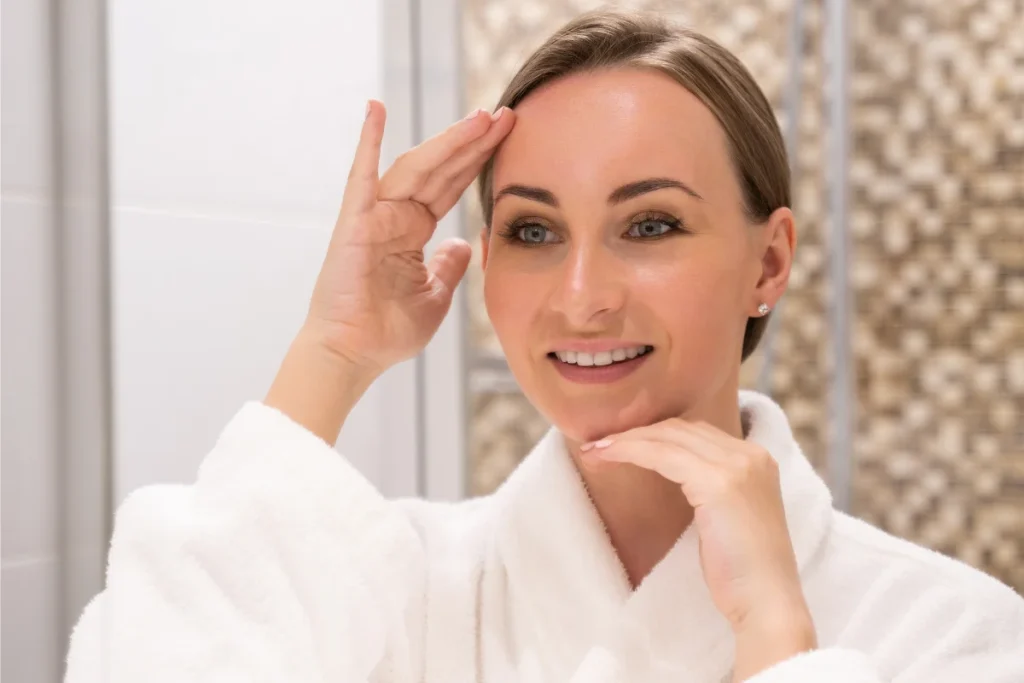
Botox works by temporarily relaxing overactive muscles and blocking certain nerve signals. When injected into facial muscles for cosmetic purposes, it softens dynamic wrinkles caused by repeated expressions like frowning or squinting. However, this same mechanism makes Botox useful for treating several medical conditions. According to the American Academy of Dermatology Association, it has a current patient resource on botulinum toxin therapy that covers cosmetic use, hyperhidrosis, how the treatment works, expected duration, and safety considerations. The difference between cosmetic and medical uses of Botox comes down to the treatment goal. Cosmetic injections target facial lines. Medical injections address muscle overactivity, nerve dysfunction, or glandular issues elsewhere in the body.Botox for Chronic Migraines
Chronic migraines affect millions of people and can make daily life difficult. The condition involves experiencing 15 or more headache days per month for at least three months. For people dealing with this level of pain, traditional medications may not provide enough relief. Botox for chronic migraine involves multiple injection sites around the head and neck, targeting muscles that may contribute to migraine pain. Results typically take about two weeks to appear and may improve with regular treatment sessions every few months. A healthcare professional can review headache patterns and medical history to determine whether this treatment may be suitable.Botox for Hyperhidrosis
Excessive sweating that does not respond to regular antiperspirants can feel embarrassing and frustrating. This condition, called hyperhidrosis, causes sweating unrelated to temperature or physical activity. Many people with hyperhidrosis find that it interferes with work, social situations, and everyday comfort. Botox for hyperhidrosis works by temporarily blocking the nerve signals that tell sweat glands to activate. Patients typically see results within a few days to two weeks, and the effects may last around six months before needing a refresh. Many patients continue using prescription antiperspirants alongside their Botox sessions for the best results.Botox for TMJ and Botox for Teeth Grinding
Temporomandibular joint disorders and Botox for bruxism often go hand in hand. TMJ causes jaw pain, stiffness, and sometimes locking, while teeth grinding wears down enamel and creates tension headaches. Both conditions involve overactive jaw muscles, making them potential targets for Botox treatment. Botox for TMJ and Botox for teeth grinding work by relaxing the masseter and temporalis muscles. This reduces clenching and grinding, which may help ease pain and prevent further damage. Some patients also notice a slimming effect along the jawline as these muscles relax over time, though this cosmetic change is not the primary goal of treatment. The injections themselves take about 15 to 30 minutes. Most patients need somewhere between 70 and 170 units depending on their specific symptoms and muscle activity. Results typically appear within one to two weeks and last several months.Botox for Overactive Bladder
Overactive bladder causes sudden urges to urinate and may lead to leakage, a condition that affects quality of life significantly. When other treatments like medication and physical therapy do not provide enough relief, Botox may offer an alternative. This specialized medical use involves injecting Botox directly into the bladder muscle to help it relax. The Botox for overactive bladder treatment can reduce urgency and frequency for several months at a time. Because this application requires specialized medical expertise, patients interested in this option should discuss it during a consultation rather than expect it as part of a routine cosmetic visit.What are the Other Non-Cosmetic Uses of Botox Treatment in Bellevue?
The medical applications of Botox treatment in Bellevue extend beyond the conditions already mentioned. Certified injectors may discuss additional uses depending on individual patient needs. These include treatment for muscle spasms in the neck and shoulders, eye conditions such as crossed eyes or excessive blinking, and various off-label applications that researchers continue to explore.Who is a Candidate for Botox Kirkland and Bellevue?
The healthcare provider may consider:- Adults who want to soften wrinkles or explore Botox for certain medical concerns may be candidates.
- Each patient is evaluated based on health history, medications, and the reason for seeking treatment.
- Botox is avoided during pregnancy and breastfeeding.
- Anyone with a known allergy to botulinum toxin products should discuss this with a qualified provider before treatment.