
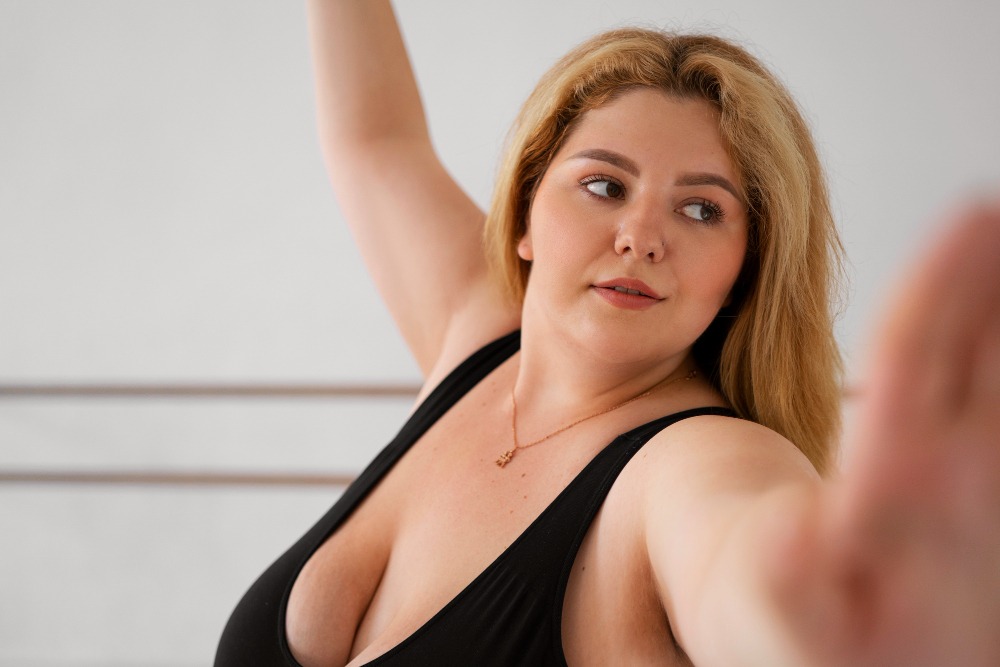
- What is Breast Reduction Surgery?
- Top 10 Signs You Need a Breast Reduction
- Who is a Good Candidate for Breast Reduction Surgery?
- Key Benefits of Breast Reduction Surgery
- What to Expect During a Breast Reduction Consultation
- Breast Reduction Recovery: What You Should Know
- Why Choose Northwest Face & Body for Breast Reduction Surgery in Kirkland and Bellevue?
- Take the Next Step Toward Comfort and Confidence
- Frequently Asked Questions
Key Points:
- Chronic back, neck, and shoulder pain from large breasts often signals the need for a breast reduction consultation with a qualified surgeon.
- Deep shoulder grooves from bra straps and recurring skin irritation beneath the breasts may indicate excess breast tissue causing daily discomfort.
- Difficulty exercising, finding comfortable clothing, and poor posture are common signs that breast reduction surgery could improve quality of life.
- Numbness or tingling in the shoulders and arms may result from nerve compression caused by heavy breast tissue pressing on surrounding structures.
- When supportive bras, physical therapy, and pain medications no longer provide relief, scheduling a breast reduction consultation becomes a practical next step.
Living with overly large breasts can affect more than just physical comfort. Many individuals experience ongoing pain, skin problems, and limitations in everyday activities that make even simple tasks feel difficult. For some, these challenges become a daily struggle that impacts emotional well-being and overall quality of life.
Breast reduction surgery offers a solution that addresses both the physical and functional concerns associated with excessive breast size. This breast reduction surgery in Kirkland and Bellevue removes excess fat, tissue, and skin to create more balanced and comfortable body proportions. Patients often report feeling lighter, more active, and more confident after surgery.
If you are considering breast reduction surgery in Kirkland or Bellevue, Dr. Tarak H. Patel and Dr. Rajasekhar Nalluri at Northwest Face & Body can help you determine whether the procedure is appropriate for your concerns.
What is Breast Reduction Surgery?
Breast reduction, also known as reduction mammoplasty, is a surgical procedure that removes excess breast tissue, fat, and skin. The goal is to create smaller, lighter breasts that sit in a more natural position on the body. Surgeons reshape the remaining tissue to achieve a proportionate and balanced appearance.
This breast procedure benefits individuals who experience physical discomfort or lifestyle limitations due to breast size. Common concerns include chronic pain, difficulty exercising, and challenges finding properly fitting clothing. Beyond physical relief, many patients also experience improved confidence and emotional well-being after surgery.
Breast reduction surgery serves both functional and cosmetic purposes. While the procedure reduces breast size, it also lifts and reshapes the breasts for a more youthful contour. The surgery can address asymmetry and reposition the nipple to a more natural location.
Must read: When Should You Replace Breast Implants? A Surgeon’s Honest Answer
Top 10 Signs You Need a Breast Reduction
Understanding the common signs can help individuals recognize when it might be time to explore surgical options. The following ten indicators often suggest that breast reduction could provide meaningful relief and lasting improvement.
1. Constant Back, Neck, or Shoulder Pain
One of the most common reasons patients seek breast reduction surgery is persistent upper body pain. Heavy breasts place extra strain on the spine, shoulders, and neck muscles. Over time, this excess weight can lead to chronic discomfort that affects daily life.
Often, the back, neck, and shoulder pain from large breasts worsens throughout the day, especially after standing or sitting for extended periods. Many individuals find that even rest and stretching provide only temporary relief. When this type of pain becomes a constant companion, it may signal that breast size is contributing to the problem.
2. Bra Straps Leave Deep Shoulder Grooves
When bra straps dig deeply into the shoulders, leaving visible indentations or grooves, the breast weight is likely exceeding what normal support can handle. These painful marks often persist even after removing the bra and can become permanent over time.
The constant pressure from supporting heavy breasts can irritate the skin and underlying tissues. Some individuals develop redness, soreness, or even nerve discomfort in the shoulder area. Wider straps and specialty bras may help temporarily, but they often fail to address the underlying issue of excessive breast weight.
3. Skin Irritation or Rashes Under the Breasts
Large breasts create skin folds where moisture can become trapped. This warm, damp environment promotes bacterial and fungal growth, leading to rashes, chafing, and skin breakdown. These conditions often recur despite careful hygiene and treatment.
Intertrigo, a common skin condition in breast folds, causes redness, itching, and sometimes painful sores. While medicated powders and creams can manage symptoms, they rarely provide a permanent solution when breast size continues to trap moisture against the skin.
4. Physical Activity Is Difficult or Uncomfortable
Exercise becomes challenging when breast size interferes with movement. Running, jumping, and even walking can cause discomfort or pain. Many individuals avoid physical activity altogether because of the embarrassment or difficulty of exercising with large breasts.
Finding sports bras that provide adequate support often proves impossible for those with very large breasts. The bouncing and movement during exercise can strain chest muscles and cause additional back and shoulder pain. Over time, this limitation may lead to reduced fitness and weight gain.
5. Finding Comfortable Clothing and Bras Is a Challenge
Shopping for clothes that fit properly becomes frustrating when breast size is disproportionate to body frame. Blouses gap or pull across the chest, and dresses may fit the bust but hang loosely everywhere else. Many individuals resort to wearing oversized or shapeless clothing to accommodate their breasts.
Bra shopping presents similar difficulties. Standard sizes often fail to provide adequate support, and specialty bras come with high price tags. The limited options can make daily dressing feel like a chore rather than a simple routine.
6. Poor Posture Is Causing Ongoing Discomfort
The weight of large breasts can pull the shoulders forward, creating a rounded posture over time. This postural change strains the muscles of the upper back and can lead to chronic tension and pain. Some individuals also experience headaches related to poor neck positioning.
Rounded shoulders affect more than appearance. Poor posture can compress internal organs and reduce lung capacity. Many patients notice improved breathing and reduced fatigue after breast reduction surgery restores their ability to stand and sit with proper alignment.
7. Numbness or Tingling in the Shoulders or Arms
Excessive breast weight can compress nerves that run through the shoulder area, causing numbness, tingling, or weakness in the arms and hands. These symptoms may come and go or become more persistent over time.
Nerve compression related to breast size often mimics symptoms of other conditions, making diagnosis confusing. When these sensations occur alongside other signs on this list, breast size may be contributing to the nerve irritation.
8. Self-Consciousness About Breast Size
Emotional well-being matters just as much as physical comfort. Many individuals with very large breasts feel self-conscious about their appearance. Unwanted attention, difficulty with body image, and feeling out of proportion can all impact confidence and mental health.
Some people avoid social situations, intimate relationships, or activities they once enjoyed because of how they feel about their breast size. Breast reduction patients in Kirkland and Bellevue often report significant improvements in self-esteem and quality of life after surgery.
9. Breasts Affect Sleep or Daily Routine
Sleeping comfortably becomes difficult when breast size interferes with finding a restful position. Side sleeping may cause breast tissue to pull uncomfortably, while sleeping on the back can create breathing difficulties for some individuals.
Daily tasks like driving, working at a desk, or caring for children can also become uncomfortable. The constant awareness of breast size and the physical limitations it creates can make routine activities feel exhausting.
10. Conservative Treatments Have Not Helped
Many individuals try supportive bras, physical therapy, pain medications, and posture exercises before considering surgery. When these conservative approaches no longer provide adequate relief, breast reduction consultation becomes a logical next step.
Surgery is a significant decision, and most patients reach this point after exhausting other options. A personalized evaluation with a board-certified plastic surgeon can help determine whether reduction mammoplasty addresses the underlying causes of ongoing symptoms.
Who is a Good Candidate for Breast Reduction Surgery?
Breast reduction surgery may be an option for people whose breast size affects their comfort, physical activity, or daily routine. The decision is personal, and a consultation with a qualified plastic surgeon can help determine whether the procedure may be appropriate for your needs.
You may be a potential candidate if you:
- Experience ongoing back, neck, or shoulder discomfort that may be related to the size or weight of your breasts.
- Find that breast size makes exercise, sleep, work, or other daily activities difficult or uncomfortable.
- Deal with recurring irritation, chafing, or rashes beneath the breasts.
- Are in generally good health and have no medical concerns that could make surgery or recovery more difficult.
- Have maintained a relatively stable weight. Significant weight changes after surgery may affect breast size and shape.
- Willing to stop smoking for a period recommended by your surgeon. Smoking can interfere with healing and may increase the risk of complications.
- Have a clear understanding of the procedure and realistic expectations about what breast reduction surgery may be able to address.
- Are prepared to follow your surgeon’s instructions during the recovery period and attend recommended follow-up appointments.
If you are planning to have children, you may also want to discuss the timing of surgery with your surgeon during your consultation. Some people may also experience changes in their ability to breastfeed after surgery, depending on the surgical technique used.
Key Benefits of Breast Reduction Surgery
Breast reduction surgery can do more than reduce breast size. For many people, the decision to have surgery comes from wanting to feel more comfortable in their everyday lives.
Some potential benefits may include:
- Less back, neck, and shoulder discomfort
- More comfort during daily activities
- Exercise may feel more manageable
- Less irritation beneath the breasts
- More flexibility when choosing clothes
- Greater comfort with your appearance
What to Expect During a Breast Reduction Consultation
The first consultation appointment focuses on understanding individual goals and concerns. Surgeons review medical history, current symptoms, and previous treatments. This information helps determine whether breast reduction surgery is appropriate and safe.
A physical examination allows the surgeon to evaluate breast size, shape, and tissue composition. Measurements help plan the surgical approach and predict expected outcomes. Patients can discuss their ideal breast size and proportions during this evaluation.
Surgical planning includes discussion of incision techniques, expected scarring, and potential risks. Surgeons explain what happens during the procedure and what to expect during breast reduction recovery. This is the time to ask questions and address any concerns about the process.
Breast Reduction Recovery: What You Should Know
Most breast reduction in Bellevue procedures take place on an outpatient basis, meaning patients return home the same day. Initial recovery typically requires one to two weeks off work, depending on job demands. Light activities can resume within a few days, while full physical activity usually waits several weeks.
Pain management during early recovery includes prescribed medications and rest. Swelling and bruising are normal and gradually improve over the following weeks. Wearing a surgical bra or compression garment supports healing and helps shape the breasts during recovery.
Follow-up appointments allow surgeons to monitor healing and remove stitches when appropriate. Scar care begins once incisions have closed sufficiently. Special sheets, creams, and sun protection help minimize scar visibility over time.
Most patients feel significantly better within a few weeks and continue improving over several months. Breast reduction in Kirkland procedure final results become apparent once all swelling resolves and tissues settle into their new position.
Why Choose Northwest Face & Body for Breast Reduction Surgery in Kirkland and Bellevue?
Choosing a practice for breast reduction surgery in Kirkland is a personal decision. Many people want to understand who will perform the procedure, what the care process looks like, and what kind of support they can expect during recovery.
At Northwest Face & Body, each breast reduction plan is based on the patient’s anatomy, symptoms, and goals. The practice also provides ongoing support after surgery, so patients can continue receiving care throughout their recovery.
Dr. Tarak H. Patel
Dr. Tarak H. Patel is a double board-certified plastic and reconstructive surgeon with training in both general and plastic surgery. His background includes military surgical experience and experience in cosmetic and reconstructive procedures.
Dr. Rajasekhar Nalluri
Dr. Rajasekhar Nalluri is board-certified by the American Board of Plastic Surgery and has more than 23 years of experience in plastic surgery. He has performed more than 25,000 procedures and brings extensive experience to cosmetic and reconstructive breast surgery.
Breast reduction care at Northwest Face & Body is planned around each patient’s individual needs. Postoperative support includes 24/7 on-call surgeon availability, three-stage compression garments, a five-phase scar care protocol, and optional ultrasonic lymphatic massage to help manage swelling during recovery.
Serving Kirkland, Bellevue, and the Greater Seattle Area
Northwest Face & Body is located at Carillon Point in Kirkland, making it accessible to patients from Kirkland, Bellevue, Redmond, Juanita, Totem Lake, and nearby communities. Consultations, surgery, and follow-up care are provided through the same practice, allowing patients to continue their care in one location.
Schedule a Free Personalized Consultation
Take the Next Step Toward Comfort and Confidence
Living with the physical and emotional burden of overly large breasts does not have to continue. Breast reduction surgery offers lasting relief from chronic pain, improved ability to exercise and enjoy daily activities, and enhanced confidence in how the body looks and feels.
At Northwest Face & Body, the experienced breast reduction surgeon in Kirkland provides thorough evaluations, answers questions, and helps patients make informed decisions about their care.
Contact Northwest Face & Body today by scheduling a consultation. Online booking, chat, and the Price Simulator app also provide convenient ways to connect.
Frequently Asked Questions
1. How do I know if my breast size qualifies for reduction surgery?
There is no specific cup size required for breast reduction surgery. The decision is based on how breast size affects your health and daily life. Ongoing back, neck, or shoulder discomfort, skin irritation, or difficulty with physical activities may be factors to discuss with a plastic surgeon.
2. How long do breast reduction in Kirkland results last?
Breast reduction can provide long-term changes in breast size. However, pregnancy, significant weight changes, hormonal changes, and aging may affect breast size and shape over time.
3. What is the difference between breast reduction and breast lift?
A breast reduction removes excess breast tissue, fat, and skin to reduce breast size. A breast lift reshapes and raises the breasts without significantly reducing their size. In many breast reduction procedures, lifting and reshaping are also part of the surgery.
4. What age is best for breast reduction surgery?
Breast reduction surgery is considered after breast development is complete. However, there is no single ideal age for the procedure. Overall health, symptoms, breast development, and personal circumstances are all considered during a consultation.
5. How visible are scars after breast reduction?
Breast reduction leaves scars, although the pattern and visibility can vary depending on the surgical technique and how your body heals. Scars may fade over time, but they do not always disappear completely.