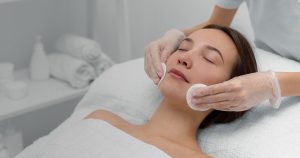

Wrinkles develop over time, shaped by years of sun exposure, collagen loss, and everyday environmental stress. Fine lines tend to appear first, followed by deeper creases around the eyes, mouth, and forehead.
If you are looking for a non-surgical way to address fine lines and wrinkles, a professional chemical peel is one of the most practical options available. This guide covers how chemical peels work for wrinkles, what to expect, and how to know if treatment is right for you.
Benefits of Chemical Peels for Wrinkles
According to the American Board of Dermatological Surgery, a chemical peel works by removing the outermost layers of damaged skin. As the skin renews itself, the surface becomes smoother, brighter, and more even. For wrinkle reduction specifically, this skin resurfacing treatment can:
- Soften the appearance of fine lines by clearing away dull, thickened surface skin
- Improve skin texture so the complexion looks more even and polished
- Support collagen production over time, helping the skin stay firmer with regular treatment
- Brighten the overall tone so wrinkles appear less prominent in different lighting
- Improve how well anti-aging skincare products absorb into the skin after treatment
Choosing the Right Peel Strength for Wrinkles
Chemical peels are grouped into three levels. Matching the right peel strength to your wrinkle concerns and your skin type makes a significant difference in the results you get.
- Light (superficial) peels are a strong starting point for early fine lines, mild texture concerns, and general dullness. Downtime is minimal, making them easy to fit into a regular skincare routine.
- Medium peels go deeper and work well for moderate wrinkles, rougher texture, and sun-damaged skin. Some redness and visible peeling should be expected during recovery.
- Deep peels offer more significant anti-aging results but require a longer recovery period. They are not appropriate for all skin types.
Your provider at Northwest Face & Body will evaluate your skin and wrinkle pattern before recommending the peel depth that fits your goals.
What to Expect During a Chemical Peel Treatment
A chemical peel appointment is typically quick, usually completed within an hour. Here is how a session generally goes:
- Your provider cleanses and preps the skin to ensure an even application
- The peel solution is applied and left on for a specific amount of time based on the formulation and your skin
- You may feel mild tingling or warmth while the solution is active
- The solution is neutralized or removed, and a soothing product is applied to calm the skin
- Your provider reviews aftercare instructions with you before you leave
Light peels involve little to no visible recovery. Medium peels typically cause more noticeable redness and peeling over the days that follow.
How Many Peels Do You Need for Wrinkles?
The number of treatments you need depends on your wrinkle depth, skin type, and the peel strength being used.
For fine lines and early wrinkling, most patients start with a series of four to six light peels spaced a few weeks apart. This gradual approach allows the skin to improve steadily without being overwhelmed.
Medium-depth peels are scheduled less frequently because deeper skin resurfacing requires more healing time between sessions. Your provider will adjust the plan based on how your skin responds and what your goals are.
Who Is a Good Candidate for a Peel for Wrinkles?
You are likely a good candidate for a chemical peel if you:
- Have fine lines or moderate wrinkles you want to address without surgery
- Notice rough skin texture, dullness, or uneven tone from sun damage
- Are interested in a facial rejuvenation treatment with flexible downtime options
- Can follow post-treatment skincare instructions consistently
Some situations call for extra care or a modified approach:
- Active skin infections or open sores need to be resolved before treatment
- A history of significant post-inflammatory hyperpigmentation may affect peel selection
- Certain acne medications may require a pause before treatment; your provider will advise on timing
Chemical Peel Aftercare
After a chemical peel, your skin is more sensitive than usual. Good aftercare protects your results and helps your skin heal properly.
The most important steps are:
- Apply a broad-spectrum sunscreen every day, including cloudy days and time spent near windows
- Keep the skin hydrated with a gentle, non-irritating moisturizer to support the healing skin barrier
- Do not pick or pull at peeling skin, as this can cause scarring or uneven pigmentation
- Avoid retinoids, exfoliating acids, and scrubs until your provider clears you to resume them
Your provider will tailor aftercare recommendations to the peel depth and your specific skin needs.
Risks and Side Effects: What to Know
Chemical peels are a well-established skin treatment, but like any procedure, they carry some risk. Knowing what is possible helps you go in prepared.
Possible side effects include:
- Redness and irritation in the days following treatment
- Temporary changes in skin tone, particularly if aftercare instructions are not followed closely
- Infection, which is rare but possible
- Scarring, which is rare and more commonly associated with deeper peels or inadequate aftercare
Choosing a trained and experienced provider is the most important step in minimizing these risks. At Northwest Face & Body, our team has extensive experience performing chemical peel treatments safely and effectively.
Chemical Peels at Northwest Face & Body
Northwest Face & Body offers professional chemical peels designed to improve skin texture, tone, and the visible signs of aging. We take a personalized approach to every treatment, assessing your skin type, wrinkle depth, and lifestyle before recommending a peel depth or formula.
Whether you are starting to notice early fine lines or dealing with more established wrinkling, we will build a treatment plan that fits your skin and your schedule. Contact us to schedule a consultation and find out which chemical peel is right for you.
FAQs
How long do chemical peels last for wrinkles?
Results from a chemical peel for wrinkles typically last several months. The exact duration depends on peel depth, your skin type, and how well you maintain your skincare routine. Regular maintenance sessions help extend and build on your results over time.
Which is better for wrinkles, microneedling or chemical peel?
Chemical peels tend to work better for surface-level fine lines, uneven skin texture, and pigmentation concerns. Microneedling stimulates collagen production at a deeper level and may address more pronounced wrinkles more effectively. Some patients benefit from both treatments at different points in their skincare plan.
What do dermatologists recommend for deep wrinkles?
For deep wrinkles, providers often turn to laser skin resurfacing, injectables, or medium-to-deep chemical peels. Light peels can improve skin quality and tone, but they are not designed to fully correct significant wrinkling on their own.
What’s the best age to get a chemical peel?
There is no set age to start. Many patients begin in their late twenties or thirties as a preventive anti-aging treatment, while others come in later to address more visible changes. A consultation is the best way to find out if a peel makes sense for your skin right now.
How many layers does a chemical peel take off?
Light peels target the outermost layer of skin. Medium and deep peels go further, reaching the middle and deeper layers. The depth of skin resurfacing is what determines both the recovery time and the level of improvement you can expect.
Why am I not seeing results from a chemical peel?
A single session may not produce dramatic changes, especially for moderate wrinkles. Results depend on your skin type, the peel strength, and your aftercare routine. If you are not seeing improvement after several sessions, your provider may adjust the peel depth or recommend a complementary treatment.
Does skin look more wrinkled after a chemical peel?
During active peeling, the skin can look dry or feel tight, which may make fine lines appear more noticeable temporarily. This is a normal part of the skin renewal process and typically resolves within a week as fresh, smoother skin comes through.
Read more: How Many Chemical Peels Do You Need for Hyperpigmentation?