- Understanding Breast Augmentation Surgery
- The First 24 to 48 Hours After Surgery
- Week One Recovery: Taking It Slow
- Weeks Two Through Four: Early Healing Progress
- Months One Through Three: Implants Settling In
- Long-Term Results and Maintenance
- Common Side Effects During Kirkland Breast Augmentation
- Recovery
- Tips for a Smooth Recovery After Kirkland Breast Augmentation Surgery
- Why Choose Northwest Face & Body in Kirkland?
- Conclusion and Your Next Step
- Frequently Asked Questions
Deciding on breast augmentation brings excitement, but questions about recovery often follow close behind. What does healing actually feel like? How long before normal activities resume? When do final results appear? These concerns deserve honest, detailed answers rather than vague reassurances.
Understanding the recovery process transforms uncertainty into confidence. Patients who know what lies ahead navigate their healing journey with less anxiety and better outcomes. At Northwest Face & Body, the approach to breast augmentation in Kirkland centers on patient education because informed individuals make empowered decisions about their care.
Understanding Breast Augmentation Surgery
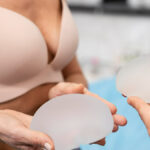
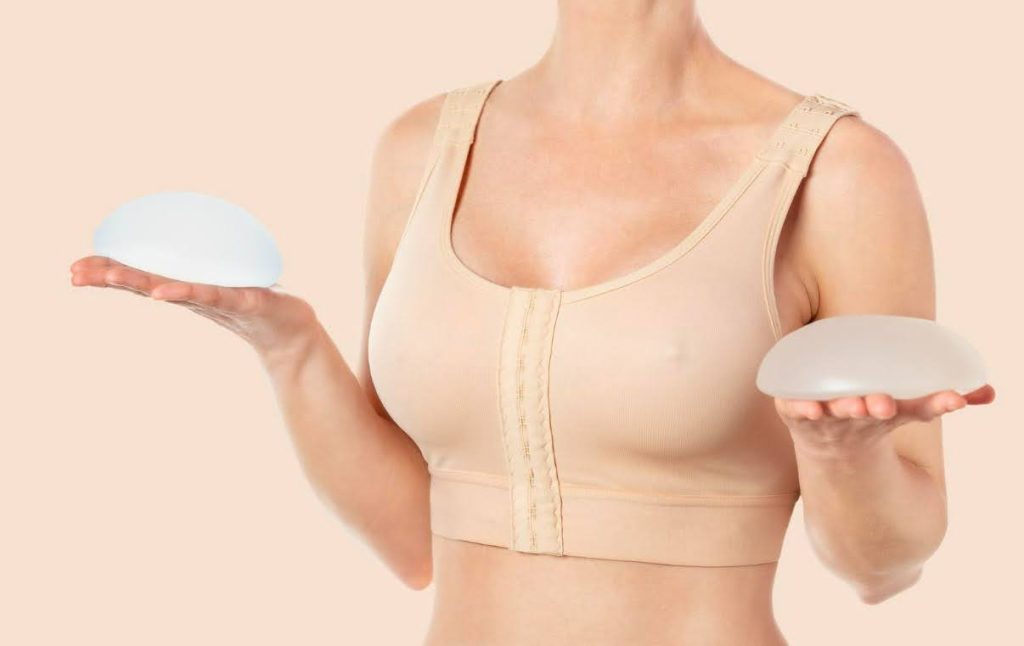
Breast augmentation involves placing implants beneath the breast tissue or chest muscle to enhance size, shape, or symmetry. The procedure takes one to two hours and is performed under general anesthesia. Surgeons offer several implant options, including saline, silicone, and gummy bear (cohesive gel) varieties, each with distinct characteristics.
Incision placement varies based on anatomy and patient preference, with common locations including the breast crease, around the areola, or within the armpit. Recovery demands patience and proper aftercare, but thousands of patients complete the process successfully each year. The recovery process is not difficult, but soreness, stiffness, and swelling are expected during the first few days.
This guide covers each recovery phase in detail, from the first hours after surgery through the months when final results emerge.
The First 24 to 48 Hours After Surgery
Healing begins the moment surgery ends. As your body slowly overcomes the effects of anesthesia, you will likely feel sluggish and perhaps a bit chilly. Some patients describe grogginess that lifts within an hour. Others feel foggy for several hours. Both experiences fall within the normal range. There is nothing wrong with taking a nap when you get home, and your body may not give you much of a choice.
You cannot drive yourself home. Arrange for a responsible adult to transport you and stay with you overnight. This requirement exists for your safety, as the effects of anesthesia can linger.
During this initial phase:
| Priority | Why It Matters |
| Rest | Your body heals fastest during sleep |
| Hydration | Reduces swelling and supports tissue repair |
| Prescribed medications | Stay ahead of pain rather than chasing it |
| Limited movement | Prevents strain on fresh incisions |
| Deep breathing | Keeps your lungs clear post anesthesia |
Northwest Face & Body provides 24/7 access to an on-call surgeon during your recovery. Questions at 2 AM deserve answers at 2 AM.
Week One Recovery: Taking It Slow
The first week demands patience. Swelling peaks around days 3 to 5, then gradually decreases. Bruising, if present, follows a similar pattern. Some patients see minimal bruising while others notice significant discoloration. Neither scenario predicts your final outcome.
Your care team will fit you with a Stage 1 post-surgical garment. This specialized support bra provides gentle compression to reduce swelling and keep implants positioned correctly during the initial healing period. Wear it as directed, even when sleeping.
Speaking of sleep, your back becomes your best friend. Elevating your head with pillows to prop your upper body at a 30- to 45-degree angle reduces swelling and prevents you from accidentally rolling onto your chest. Side sleepers find this adjustment challenging, but the discomfort typically lasts only one to two weeks.
Strict restrictions during week one:
- No lifting anything heavier than 10 pounds
- No raising arms above shoulder height
- No pushing, pulling, or straining
- No driving while taking pain medication
Contact your care team immediately if you experience a fever above 101 degrees, sudden severe pain on one side, or significant redness spreading from incision sites.
Weeks Two Through Four: Early Healing Progress
By week two, you’ll begin to see real results. The swelling should keep going down; however, your breasts will still look elevated and firm. It’s normal for this to happen; remember that the ultimate breast form will be revealed slowly.
Your surgeon will likely transition you to a Stage 2 post-surgical garment around this time. This bra provides lighter support while maintaining proper implant positioning during continued healing.
Light walking becomes not just permitted but encouraged. Short walks around your home or neighborhood promote circulation, which accelerates healing. The keyword is light. If you’re breathing hard or sweating, you’ve pushed too far.
Many Kirkland breast augmentation patients at Northwest Face & Body benefit from ultrasonic lymphatic massage during this phase. This specialized treatment helps your body process excess fluid more efficiently, potentially reducing the duration of swelling by several days.
Your follow-up appointment from the second to the fourth week will enable your surgeon to track your healing progress and make adjustments to your treatment regimen if necessary. Please do not ignore these appointments just because you are feeling well.
Months One Through Three: Implants Settling In
Now is when patience will pay off. In the first three months, your breast implants go through what surgeons call the “drop and fluff” phase, during which they settle into their natural position and the surrounding tissue softens. Breasts that appear too high or too tight in the second week begin to look like you expected them to.
According to the American Society of Plastic Surgeons, most patients can return to full physical activity, including chest exercises, around six weeks post-surgery, though individual timelines vary.
This stage also comprises emotional adjustment. Your body has changed. You look different. All this entails psychological processing. Some patients feel instant happiness. There are others who need several weeks before accepting themselves. Both feelings are perfectly normal.
Comparing your week six results to someone else’s month four results leads to unnecessary worry.
Long-Term Results and Maintenance
Final results from breast augmentation in Kirkland typically become visible between three and six months post-surgery. Swelling has fully resolved, implants have settled, and scars have begun maturing.
Implant longevity depends partly on type:
| Implant Type | Typical Lifespan | Characteristics |
| Saline | 10 to 15 years | Deflation noticeable immediately |
| Traditional saline | 10 to 20 years | Requires imaging to detect rupture |
| Gummy bear (cohesive gel) | 10 to 20 years | Maintains shape if the shell is compromised |
Routine check-ins with your breast augmentation surgeon protect your investment. Annual visits allow early detection of any changes requiring attention.
Some lifestyle factors that support long-term results include maintaining a stable weight, wearing supportive bras during high-impact exercise, and protecting your chest from direct trauma. Years down the road, breast implant exchange offers an option to update size or type if your preferences change.
Common Side Effects During Kirkland Breast Augmentation
Recovery
Side effects are normal and anticipated aspects of Kirkland breast augmentation
recovery. They generally do not cause alarm and resolve on their own with time. Following the surgeon’s aftercare instructions minimizes side effects, but avoiding them altogether is highly unlikely.
Expect to experience:
- Mild to moderate swelling in the breasts, breast crease, and underarms lasting several weeks
- Tightness and muscle soreness, particularly with implants placed under the muscle
- Temporary numbness or tingling around the nipples and incision sites
- Raised, red scars that will fade over time
- Breasts feel firm or hard initially (this is normal and will soften)
Tips for a Smooth Recovery After Kirkland Breast Augmentation Surgery
Following these tips can significantly improve your Kirkland breast augmentation
surgery recovery experience:
- Stay hydrated
- Apply ice packs for breast pain (as directed)
- Wear your compression garment consistently for swelling
- Have support during recovery from friends or family
- Keep your surgeon informed about any changes in breast tissue
- Maintain a healthy diet rich in protein, fruits, and vegetables
- Take adequate time off work
- Sleep on your back with an elevated upper body
- Stop smoking 6 to 8 weeks before and after surgery
- Consider lymphatic massage to improve recovery
- Follow all aftercare instructions from your surgeon
Why Choose Northwest Face & Body in Kirkland?
Everything about breast augmentation starts with your breast augmentation surgeon. At Northwest Face & Body, breast augmentation procedures are performed by board-certified surgeons Dr. Patel and Dr. Nalluri, who specialize in breast surgery.
The clinic uses Exparel, which acts as a long-acting local anesthetic that drastically lowers pain levels in the first few days after the surgery, thus enabling many patients to use little or no narcotics whatsoever.
However, the process doesn’t stop once the procedure is done. At Northwest Face & Body, there is a comprehensive recovery care system, which includes all recovery instructions and appointments with the surgeon, among other things.
With a 4.8/5 Google rating from verified patients, the practice serves Kirkland, Bellevue, and the greater Seattle area. The Kirkland breast augmentation surgery cost varies based on implant type and surgical complexity, but the practice offers transparent pricing tools to help patients plan.
Conclusion and Your Next Step
Recovery from breast augmentation in Kirkland is manageable with proper understanding and the right team providing support. The journey from surgery day to final results requires patience, but thousands of patients complete it successfully every year.
Full recovery after breast augmentation can take up to six months, but most patients return to work in about two weeks and find freedom from most activity restrictions in four to eight weeks.
Ready to explore your options? Northwest Face & Body offers complimentary consultations where you can discuss your goals, ask questions, and receive personalized recommendations.
Use the online Price Simulator to ensure transparency in Kirkland breast augmentation surgery costs before visiting. To schedule, call (425) 576-1700 or book directly through the website.
Frequently Asked Questions
How painful is breast augmentation recovery?
Most patients describe discomfort rather than severe pain, especially with modern pain management like Exparel. The first three to five days feel the most intense, with tightness and soreness that respond well to prescribed medications. By week two, many patients manage with over-the-counter options only.
When can I return to work after breast augmentation?
Desk job patients typically return within five to seven days. Physical jobs that require lifting or arm movement require two to four weeks off. Your surgeon provides personalized guidance based on your specific procedure and occupation.
How long until I can exercise after surgery?
Light walking begins immediately. Low-impact activities like stationary cycling can resume around three to four weeks. Full exercise, including chest workouts, running, and swimming, typically gets cleared around six weeks, though this varies by patient.
Will my breast augmentation scars be visible?
Incision placement affects scar visibility. Most surgeons place incisions in the breast crease, around the areola, or in the armpit. Scars fade significantly over 12 to 18 months and become difficult to notice in most patients, especially with proper scar care.
How do I choose between saline and silicone implants?
Silicone implants feel more like natural breast tissue and are most popular among patients. Saline implants allow smaller incisions and make rupture detection obvious. Your anatomy, aesthetic goals, and personal preferences all factor into the right choice. Discuss options thoroughly during your consultation with your breast augmentation surgeon.