
Buccal Fat Pad Resection in Kirkland and Bellevue
Procedure Time
1 Hour
Recovery Time
3-5 Days
Buccal Fat Pad Resection
$6,950
Buccal Fat Pad Resection
Some faces stay round even after weight loss. The fullness comes from a fat pad deep in the cheek, not from body fat, so diet, exercise, and contouring makeup do little to change it. Over time, a full lower face can feel out of balance with the rest of the features.
Buccal fat pad resection removes that pad through a small incision inside the mouth, with no visible scar. Patients seeking buccal fat pad resection in Kirkland can book a facial assessment with the board-certified plastic surgeons at Northwest Face & Body to find out whether the procedure fits their anatomy and goals.

What Is Buccal Fat Pad Resection?
The buccal fat pad is a rounded pocket of fat between the cheek muscles and the jaw. Every person has one, but the size varies. A larger pad creates a full, round look in the lower cheeks that stays put regardless of weight.
Buccal fat pad resection in Bellevue, also known as buccal fat removal surgery, is a process where the surgeon removes part or all of this pad to reduce lower cheek volume. Unlike liposuction, which targets superficial fat, this procedure directly removes the buccal fat pad. It may be considered for individuals who have naturally full cheeks despite maintaining a stable weight, have a family history of facial fullness, or feel their lower face looks rounder than the rest of their features. It may also be an option for those seeking more cheek definition when makeup contouring no longer provides the desired appearance.
How Buccal Fat Pad Resection Works
During the surgery, the surgeon opens a small pocket inside the cheek, guides the fat pad out, and removes the planned amount. Removing too much can leave the face looking hollow, so the plan is built around facial structure and skin quality. Key points of the technique:
- The pad is removed in part or in full, based on the patient’s anatomy
- Both cheeks are checked for balance before closing
- Stitches dissolve on their own, so no removal visit is needed
- No fat is taken from other areas of the face

Benefits of Buccal Fat Pad Removal
Patients choose this surgery for a leaner, more defined lower face. Because buccal fat pad removal takes out the source of the fullness, the change does not depend on diet or weight loss. The main benefits fall into three areas.
Slimmer and More Defined Cheeks
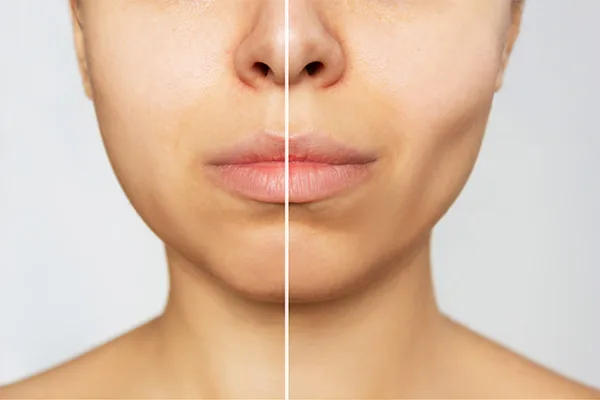
Removing excess buccal fat reduces roundness in the lower cheeks, giving the face a slimmer, more contoured appearance. The results can make naturally defined cheek contours more noticeable.
Improved Facial Contours
Reducing lower cheek volume can bring greater attention to the cheekbones and create a more balanced appearance between the upper, middle, and lower face.
More Defined Jawline Appearance
With less fullness in the lower cheeks, the transition from the cheeks to the jawline may become more noticeable. This can help highlight the natural contours of the chin and jawline.
Who Is a Good Candidate for Buccal Fat Pad Resection?
Candidacy depends on facial structure, age, and overall health. A surgeon confirms fit during an in-person exam. Good candidates for cheek reduction surgery typically share the follwoing traits:
- A round or full lower face, even at a stable, healthy weight
- Good overall health and no active infections in the mouth
- Firm skin with good elasticity
- Realistic expectations about subtle, gradual change
- A non-smoking lifestyle, or willingness to stop before and after surgery
Northwest Face & Body serves patients across the Eastside, including those searching for buccal fat pad resection in Bellevue.

Who Should Avoid Buccal Fat Removal?
The procedure is not right for everyone. Surgeons usually advise against it, or recommend caution, for:
- People with naturally narrow or thin faces, who may look gaunt afterward
- Patients over 40, since the face already loses volume with age
- Anyone with significant weight fluctuation
- Those with uncontrolled medical conditions or active mouth infections
- Patients with expectations that surgery cannot meet
When the procedure is not the best match, the surgeon explains why and suggests other options.

What Happens During Buccal Fat Pad Resection Procedure?
Buccal fat pad removal involves three main stages: an initial consultation, the surgical procedure, and careful removal of excess cheek fat. The procedure is typically performed on an outpatient basis.
Initial Consultation and Facial Assessment
The first visit sets the plan. Patients can expect:
- A review of medical history and current medications
- A physical exam of cheek volume, bone structure, and skin quality
- Photos taken for planning
- A clear explanation of what the surgery can and cannot change
- A written quote with all costs listed
Surgical Process and Anesthesia
The surgery usually takes 30 to 60 minutes and is performed on an outpatient basis. The surgeon recommends an anesthesia option based on health, comfort, and whether other procedures are planned:
- Local anesthesia alone for the cheek area
- Local anesthesia with oral or IV sedation
- General anesthesia, often chosen when combining facial procedures
Incision Placement and Fat Removal
The incision is about one inch long and sits inside the mouth, near the upper back teeth. Through this opening, the surgeon locates the pad, removes the planned portion, and checks symmetry between both cheeks. Because all work takes place inside the mouth, no external scarring occurs.
How Does Recovery After Buccal Fat Removal Look?
Recovery after buccal fat removal is generally manageable, with swelling gradually improving over the first few weeks.

Recovery Timeline
- Days 1 to 3: swelling peaks, and mild bruising may appear along the cheeks
- Days 3 to 5: most patients return to desk work
- Week 2: swelling drops noticeably, and light exercise is usually approved
- Weeks 2 to 3: most visible swelling is gone
Aftercare Instructions
Following the surgeon’s aftercare instructions helps support healing and reduce the risk of complications. Common recommendations include:
- Eating soft foods or following a liquid diet during the first few days.
- Rinsing the mouth gently after meals with a prescribed or saltwater rinse.
- Keeping the head elevated while sleeping.
- Avoiding strenuous exercise for approximately two weeks.
- Avoiding chewing gum and hard or crunchy foods during early recovery.
When to Expect Final Results
Mild puffiness can linger beyond the first few weeks. After a buccal lipectomy, the final shape usually settles between three and six months. Patients should wait until this point before judging the full result.

Risks and Side Effects of Buccal Fat Pad Resection
Buccal fat pad removal is generally well tolerated when performed by a qualified, experienced surgeon. However, like any surgical procedure, it carries potential side effects and complications. A thorough consultation helps evaluate facial anatomy, medical history, and aesthetic goals to determine whether the procedure is appropriate.
Common Side Effects
Temporary side effects are part of the normal healing process and generally improve over the first few days or weeks. These may include:
- Swelling and mild bruising around the cheeks.
- Soreness or tenderness inside the mouth.
- Temporary tightness when chewing or opening the mouth.
- Mild numbness or changes in cheek sensation.
- Discomfort while eating during the initial recovery period.
Following post-operative instructions, maintaining proper oral hygiene, and observing dietary restrictions can help support healing.
Potential Surgical Complications
Although uncommon, more serious complications can occur. Potential risks include:
- Infection around the incision site.
- Bleeding or hematoma (blood collecting beneath the tissue).
- Delayed wound healing.
- Uneven cheek contours or facial asymmetry.
- Injury to nearby facial nerves or salivary ducts.
- Excessive fat removal, resulting in hollow or sunken cheeks.
Since removed buccal fat does not naturally regenerate, careful surgical planning is important. Surgeons at Northwest Face & Body take a conservative approach to fat removal to help preserve natural facial contours and avoid an overly hollow appearance.
Buccal Fat Removal Before and After
Buccal fat removal before-and-after photos help illustrate how reducing excess cheek fat can create a slimmer, more defined facial appearance. Results vary depending on facial anatomy, the amount of fat removed, and individual healing.
Buccal Fat Pad Resection Cost
The buccal fat removal cost at Northwest Face & Body starts at $6,950. It is recommended to get a consultation first because this surgery highly depends on a person’s anatomy. After careful assessment of the facial structure by the respective surgeon, the clinic will provide a final quote to the patient. Moreover, Buccan Fat Pad Resection in Kirkland is not covered under insurance as the procedure comes under cosmetic surgery.
Financing and Payment Options
Third-party medical financing options are available for Buccal Fat Pad Resection in Bellevue. Northwest Face & Body offers CareCredit, Alphaeon, and United Medical Credit.
Why Choose NW Face & Body for Buccal Fat Removal?
Patients choosing Motiva® breast augmentation at Northwest Face & Body gain access to implant technology with a strong safety profile and results that closely mimic natural breast tissue. Key benefits include:

Experienced Facial Surgeons: The surgical team specializes in facial anatomy and uses a conservative technique for Buccal Fat Removal Surgery, removing only the precise amount of tissue needed to sculpt the cheeks without causing a hollow look later in life.
Personalized Contouring Plans: Every procedure is customized to the patient’s bone structure, tissue volume, and long-term aesthetic goals, ensuring that Cheek Reduction Surgery complements the natural jawline and cheekbones.
Prime Location: The clinic is located at Carillon Point in Kirkland, offering a discreet, waterfront setting that is easily accessible for patients throughout Kirkland, Bellevue, Redmond, and surrounding Eastside communities.
Accredited Surgical Facility: All surgical and non-surgical procedures take place in an accredited, state-of-the-art facility that adheres to rigorous medical safety and sanitation protocols.
Transparent Pricing and Guidance: Patients receive clear details regarding Buccal Fat Removal Cost during the initial consultation, along with financing options, step-by-step prep instructions, and dedicated post-operative follow-up care.
Difference Between Motiva® vs. Traditional Silicone Implants
Motiva® Implants in Bellevue belong to the sixth generation of silicone breast implants and include several technologies that older, traditional silicone implants do not offer. The table below highlights the key differences.
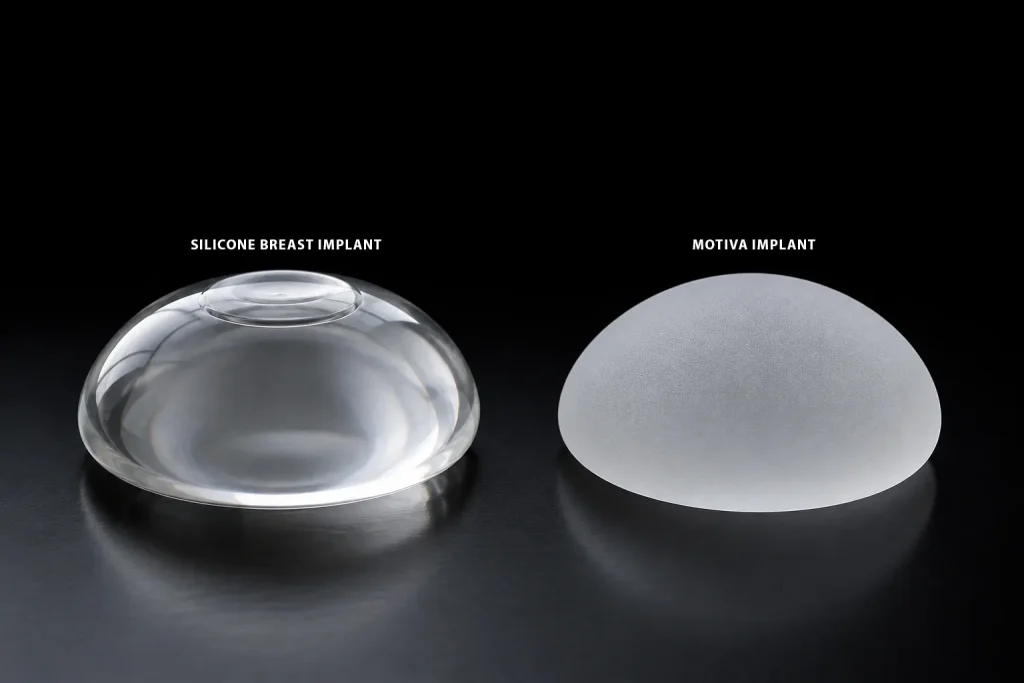
| Feature | Motiva® Implants | Traditional Silicone Implants |
| Shell Technology | TrueMonobloc® bonds shell, gel, and patch into one unit for greater durability | Shell, gel, and patch assembled as separate components |
| Surface | SmoothSilk® nano-textured surface engineered to reduce inflammation | Smooth or macro-textured surface |
| Capsular Contracture Rate | Reported below 1 percent in clinical studies | Generally higher across most traditional options |
| Incision Size | Smaller incision possible due to unified shell design | Often requires a longer incision |
| Feel and Movement | ProgressiveGel® moves and settles like natural tissue | Firmer, less dynamic movement |
| Rupture Resistance | High, with a flexible shell that stretches under pressure | Varies by generation and design |
| Shell Integrity Check | BluSeal® visual indicator confirms integrity before placement | No comparable built-in indicator |
What are the Benefits of Getting Motiva® Breast Implant in Kirkland?
Patients choosing Motiva® breast augmentation at Northwest Face & Body gain access to implant technology with a strong safety profile and results that closely mimic natural breast tissue. Key benefits include:
01
A Natural Look and Feel
Motiva® implants use ProgressiveGel®, a highly cohesive silicone gel that adapts to body movement. The implants hold a soft, rounded shape when the body is upright and settle naturally when lying down, much like real breast tissue.
02
Lower Rates of Capsular Contracture
The SmoothSilk® surface is engineered at the cellular level to reduce inflammation and scar tissue formation.
03
Reduced Risk of Rupture and Rippling
The TrueMonobloc® shell allows the implant to stretch under pressure without weakening. This flexibility lowers the chance of rupture, visible rippling, and wrinkling over time.
04
Smaller Incisions
Because the shell and gel work as one unified structure, surgeons can insert the implant through a shorter incision. This often means less visible scarring and an easier recovery.
05
Long-Lasting Results
Patients frequently ask how long Motiva® implants last. While no implant is considered permanent, Motiva® devices are built for durability, and many patients keep them for 10 to 20 years or longer without complications. Routine follow-up imaging helps confirm the implants remain intact.
06
Board-Certified Expertise Close to Home
Choosing Motiva® Implants Kirkland patients trust means working with board certified plastic surgeons at Northwest Face & Body, where they bring extensive experience in breast surgery and tailor every procedure to the patient’s anatomy, goals, and lifestyle. Local care also makes pre-operative consultations and post-operative follow-ups simple and convenient for Eastside residents.
What are the Types of Motiva® Implants Available?
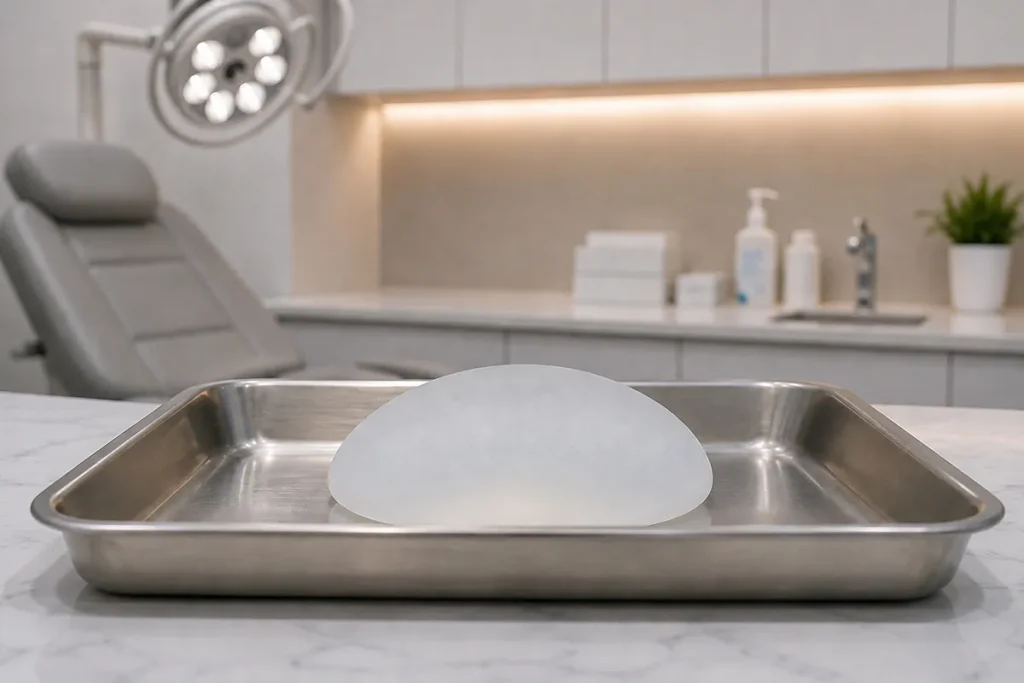
Motiva® offers two FDA-approved implant styles in the United States. The team at Northwest Face & Body helps patients choose the best fit according to their anatomy and aesthetic goals during a consultation.
Motiva SmoothSilk Ergonomix®
This implant is filled with ProgressiveGel® ULTIMA®, a gel with low viscosity and high elasticity. That gives it a soft consistency and lets it shift with gravity, which is designed to mimic the look, feel, and movement of a natural breast. Its composition allows insertion through smaller incisions than the round implant.
Motiva SmoothSilk® Round
The Round implant is filled with ProgressiveGel® PLUS®, a gel with balanced properties that allows higher firmness while keeping volume evenly distributed throughout the implant. It is designed for increased upper pole fullness and softness. It is available from 205 to 625 cc.
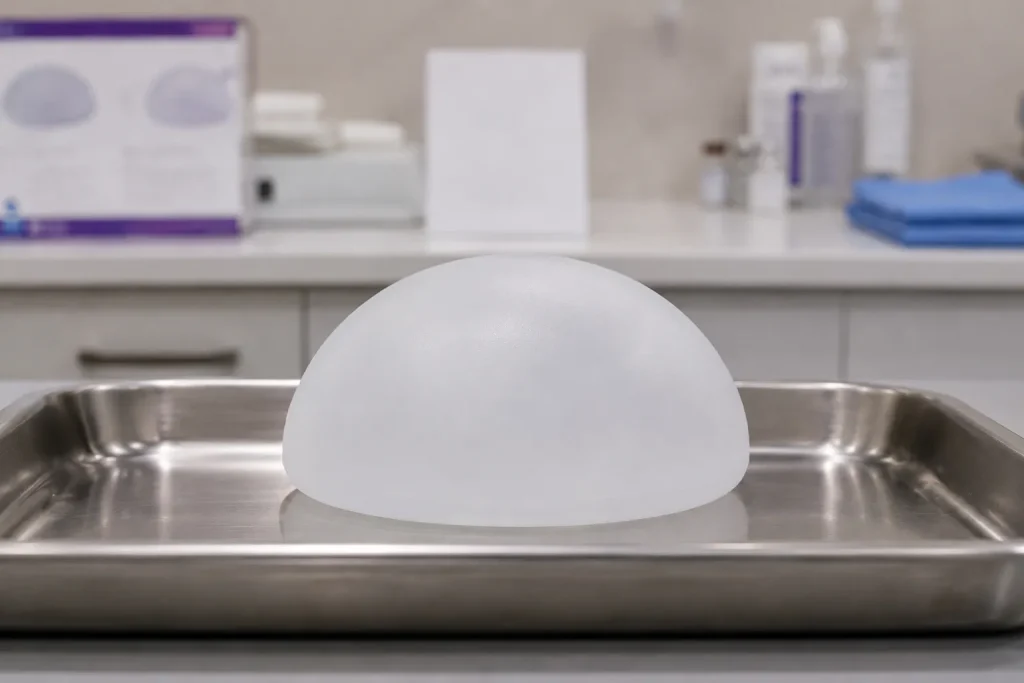
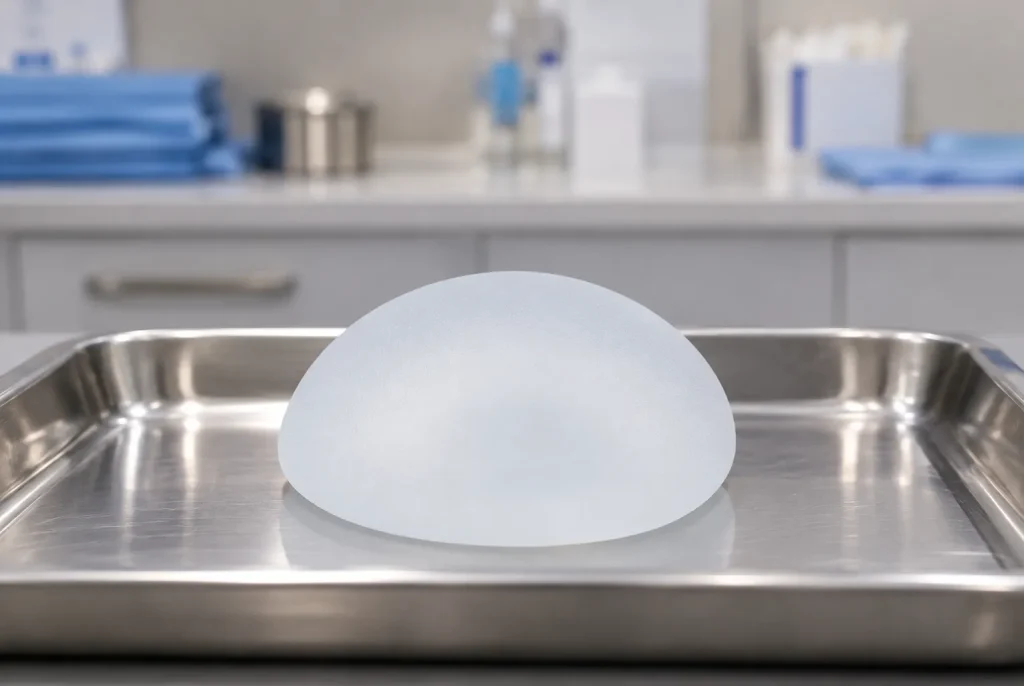
Motiva SmoothSilk Ergonomix with Preservé™ Technique
Motiva SmoothSilk Ergonomix with Preservé™ Technique is a breast augmentation option designed to preserve natural breast tissue during implant placement. It uses specialized instruments to create space for the implant while minimizing disruption to surrounding tissues. This technique is available with full-profile Motiva Ergonomix implants up to 315 cc, with the appropriate size determined by your anatomy and aesthetic goals in consultation with Dr. Nalluri.


Do We Offer Customized Sizing?
Yes. Both Motiva® implants come in Mini, Demi, and Full profiles, with a range of base widths, projections, and volumes in each. Dr. Patel uses that range to match the implant to each patient’s chest measurements, existing breast tissue, and desired outcome.
During the consultation, Dr. Patel takes detailed measurements and reviews sizing options with the patient. This helps patients see how different volumes and profiles would look on their frame before committing to a size. The goal is a result that fits the body proportionally, whether the patient wants a subtle enhancement or a fuller silhouette.
Who Is a Good Candidate for Motiva® Implants?
Good candidates for Motiva® breast augmentation are healthy adults who want to add volume, improve breast shape, or restore fullness lost after pregnancy, weight changes, or aging. The FDA approves Motiva® silicone implants for breast augmentation in patients aged 22 and older, and for breast reconstruction or revision at any adult age.
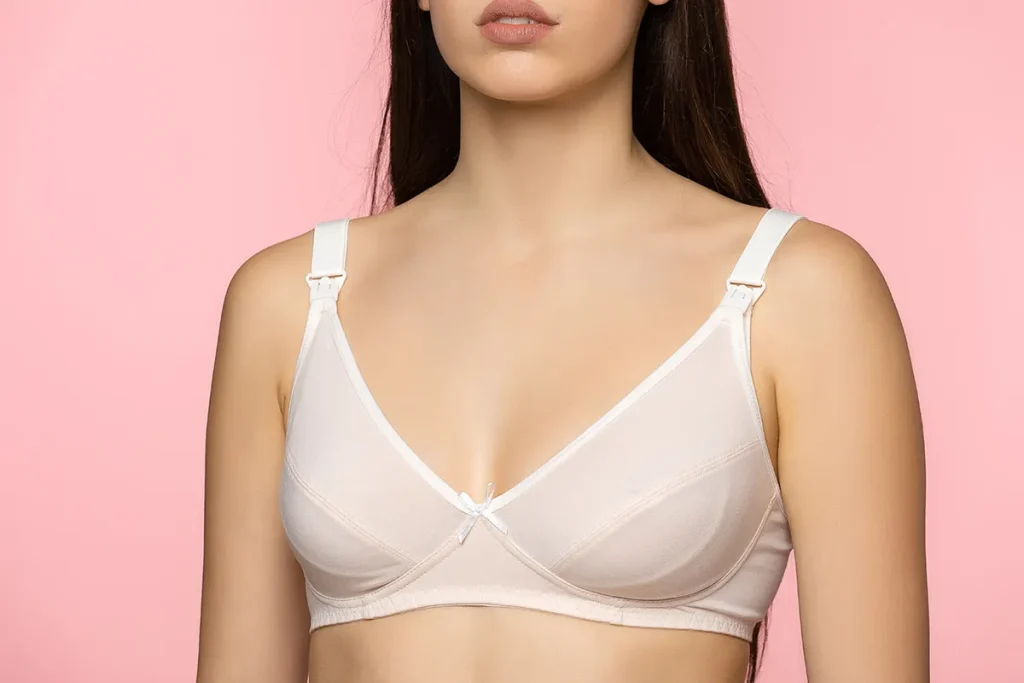
Strong candidates generally meet the following criteria:
- Good overall health
- Non-smokers or willing to quit.
- Stable body weight.
- Fully developed breasts.
- Realistic expectations.
- Not currently pregnant or breastfeeding.
Motiva® implants are also a strong option for patients considering revision surgery, including those replacing older implants or correcting issues like capsular contracture from a previous augmentation.
During a consultation at Northwest Face & Body, Dr. Nalluri or Dr. Patel would review each patient’s health history, examine breast anatomy, and confirm whether Motiva® implants are the right fit. Patients who are not ideal candidates for Motiva® Implants in Bellevue, may be better suited to other alternative implants and procedures such as fat transfer to breasts, and the surgeons discuss those options when appropriate.
How Much Do Motiva® Implants Cost in Kirkland and Bellevue?
The cost of Motiva® breast augmentation at Northwest Face & Body starts at $6,995, including the implants. This starting price covers the Motiva® implants themselves, which typically cost more than traditional saline or silicone options due to their advanced technology.
This price includes everything associated with the procedure, including the surgeon’s fee, anesthesia, facility fees, and standard follow-up care. The only items not covered are the prescription medication fee and medical clearance.
However the final price for each patient depends on the implant style and size selected, the surgical technique used, and whether any additional procedures such as a breast lift are performed at the same time. During the consultation, surgeons would look at each patient’s goals and provide a personalized quote with a clear breakdown of costs. Financing options are also available to help make treatment more affordable.
What to Expect During Your Motiva® Breast Augmentation
Motiva® implant plastic surgery is an outpatient procedure that typically takes about one hour to complete. Patients go home the same day.
The process begins with a detailed consultation, where your surgeons would review the goals, take chest measurements, and help select the ideal implant style, size, and profile. On the day of surgery, the procedure is performed under general anesthesia administered by a board-certified anesthesia provider.
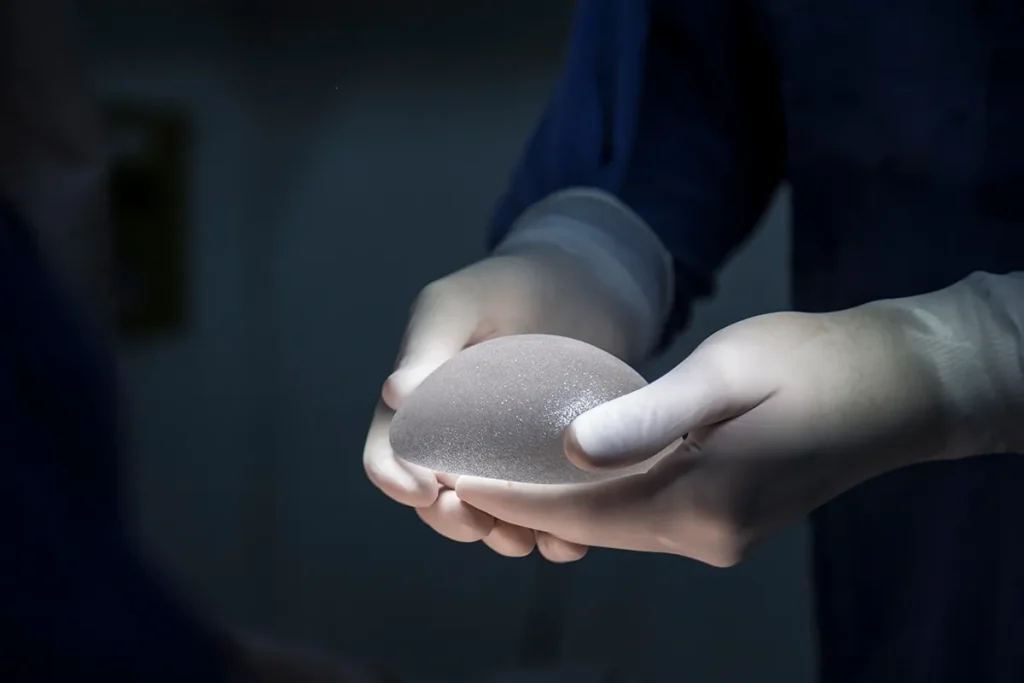
What Happens During Motiva® Breast Implant Plastic Surgery?
During the surgery the surgeon creates a small incision, most often in the inframammary fold beneath the breast, and uses a minimal-touch technique to place the implant. Because Motiva®’s TrueMonobloc® shell works as a single unified structure, the implant can be inserted through a shorter incision than many traditional silicone implants require.
The surgeon then positions the implant either above or below the chest muscle depending on the patient’s anatomy and desired result, then closes the incision with fine sutures. Patients rest briefly in recovery before heading home with a caregiver the same day.
Are There Any Risks with Motiva® Implants?
All breast augmentation surgery carries some risk, including infection, bleeding, changes in nipple sensation, capsular contracture, and implant rupture. Motiva® implants are designed to lower several of these risks with reduced capsular contracture and rupture rates.
Surgeons at Northwest Face and Body review each patient’s health history during the consultation and explain every risk in detail so patients can make an informed decision.

What Is Recovery Like After Motiva® Breast Augmentation?
Recovery after getting a Motiva® Implants in Bellevue is generally smooth, and most patients return to light daily activities within 3 to 5 days. The minimal-touch surgical technique and smaller incisions often mean less discomfort and a faster recovery than older implant methods.
The First Few Days
Patients can expect some swelling, tightness, and mild soreness in the first several days. Prescribed medication manages any discomfort, and most patients feel well enough to move around the house and handle light tasks within 3 to 5 days.
The First Two Weeks
Many patients return to desk work and light activity within one to two weeks. A supportive surgical bra is worn during this period to help the implants settle and reduce swelling. Patients should avoid lifting anything heavy, raising the arms overhead, and any strenuous movement.
Weeks Three to Six
Swelling continues to subside and comfort improves steadily. Most patients can gradually resume exercise and more demanding activity around the 4 to 6 week mark, once cleared by their surgeon.
Follow-Up Visits
Northwest Face & Body schedules follow-up appointments to monitor healing, confirm the implants are settling correctly, and answer any questions along the way.
When Results Look Final
Initial results are visible right away, but the implants settle into their final position over 3 to 6 months as swelling resolves and the tissue relaxes. Most patients see their true final result by the six-month mark.
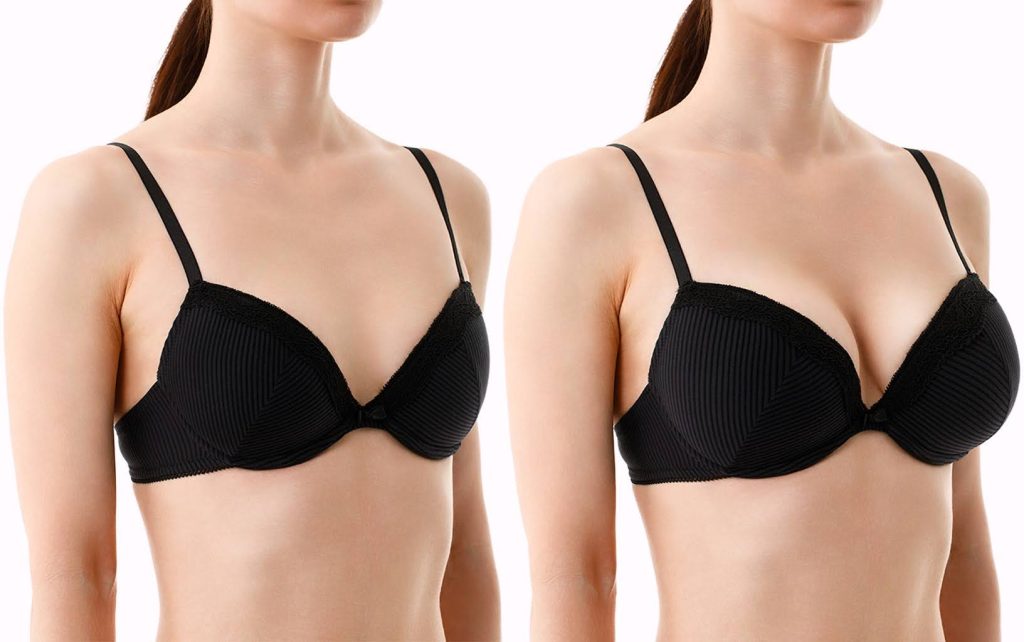
Motiva® Breast Implants Before and After
Northwest Face & Body maintains a gallery of Motiva® breast implants before and after photos so patients can see real results. Reviewing these images helps patients compare different sizes, profiles, and body types, and gives a realistic picture of what to expect.
During the consultation, the surgeons walk through cases similar to each patient’s anatomy and goals to help guide sizing and style decisions. Patients can view the full gallery on the practice website or in person at the office.
Meet Your Surgeons at Northwest Face And Body
Northwest Face & Body has served the Seattle Eastside since 1983 and operates Medicare-certified surgical facilities, the most rigorous accreditation standard available for outpatient surgery centers. Two board-certified plastic surgeons perform breast surgery at the practice, and both bring decades of experience to breast augmentation, implant exchange, and revision surgery with Motiva® breast implants. Patients have the option to choose either surgeon for their procedure.
Dr. Rajasekhar Nalluri
Dr. Rajasekhar Nalluri has been board-certified by the American Board of Plastic Surgery since 2003 and brings more than 23 years of surgical experience to the practice. Throughout his career, he has performed more than 20,000 surgical procedures, serving patients across Bellevue and the greater Seattle Eastside. His expertise includes breast augmentation, implant positioning, and complex breast revision procedures. He also offers Motiva® SmoothSilk Ergonomix breast implants with the Preservé™ Technique, a tissue-preserving approach designed to minimize disruption to surrounding breast structures during implant placement. This technique uses specialized instruments to create space for the implant while aiming to preserve natural breast tissue and supporting structures. For eligible patients considering first-time Motiva® breast augmentation, Dr. Nalluri evaluates their anatomy, implant preferences, and aesthetic goals to determine whether the Preservé™ Technique is an appropriate option.


Dr. Tarak Patel
Dr. Patel is a board-certified plastic surgeon with over 25 years of experience and a foundation in reconstructive surgery built through military training. A graduate of the U.S. Military Academy at West Point, he was commissioned into the U.S. He completed his medical training at the Uniformed Services University of the Health Sciences before pursuing general surgery and plastic surgery. His reconstructive background gives him a strong command of breast anatomy and tissue behavior, skills that are especially valuable in implant exchange and revision cases where scar tissue, capsular contracture, or prior surgical changes add complexity.


Choosing Your Surgeon
Both surgeons specialize in Motiva implants plastic surgery, including breast augmentation, Breast implant exchange, and Breast revision surgery at Northwest Face & Body, and both follow the same safety protocols and patient care standards.
During the consultation process, patients meet with their chosen surgeon to discuss goals, review sizing options, and build a personalized surgical plan. Patients who are unsure which surgeon to select can contact the office, and the patient care team will help match them based on scheduling and individual needs
Why Choose Northwest Face & Body for Motiva® Implants?
For patients seeking Motiva® implants in Bellevue, the clinic is a short drive away, making consultations and follow-up visits easy to schedule without crossing the lake. Moreover, patients choose Northwest Face & Body for the following reasons:
Experienced Board-Certified Surgeons
Dr. Nalluri and Dr. Patel are both board-certified plastic surgeons with decades of combined experience in breast augmentation, revision, and implant exchange. Patients receive care from surgeons who perform these procedures regularly and understand the specific handling and placement techniques Motiva® implants require.
Accredited Surgical Facility
All procedures take place in an accredited, Medicare-certified surgical facility with board-certified anesthesia providers. Patients receive hospital-level safety standards in a private, comfortable setting.
Personalized Sizing and Planning
The practice takes advantage of Motiva®’s full sizing range rather than limiting patients to standard options. Detailed measurements and one-on-one consultations help each patient find the implant volume, profile, and style that fits their frame and goals.
Transparent Pricing
Northwest Face & Body provides clear, upfront quotes that cover the surgeon’s fee, facility fee, anesthesia, and implants. Patients know the full cost before scheduling surgery, with financing options available through third-party lenders.
A Convenient Eastside Location
The office serves patients throughout Kirkland, Bellevue, Redmond, and the greater Seattle area, making consultations and follow-up visits easy to schedule without crossing the lake.
Frequently Asked Questions
How long do Motiva implants last?
Motiva implants are designed for long-term durability and do not have a set expiration date. Many patients keep them for 10 to 20 years or longer. Routine monitoring helps confirm the implants remain intact over time.
What is the recovery time after Motiva breast augmentation?
Most patients return to desk work within 3 to 5 days and resume light activity within two weeks. Full recovery, including a return to strenuous exercise, typically takes 4 to 6 weeks.
Can patients breastfeed with Motiva implants?
Most patients can breastfeed after augmentation with Motiva implants. Incision placement and implant position can affect this, so patients planning future pregnancies should discuss their goals during the consultation.
How are Motiva implants inserted?
Motiva implants are typically placed through a small incision in the inframammary fold using a minimal-touch technique. Their flexible shell often allows for a shorter incision than traditional silicone implants require.
Can existing implants be exchanged for Motiva implants?
Yes. Patients with older saline or silicone implants can undergo implant exchange surgery to switch to Motiva implants. Dr. Nalluri and Dr. Patel perform revision and exchange procedures regularly at Northwest Face & Body.
When will results look final after Motiva breast augmentation?
Initial results are visible immediately, but implants settle into their final position over 3 to 6 months as swelling resolves and tissue relaxes. Most patients see their true final result by the six-month mark.